_1780459041732.webp)
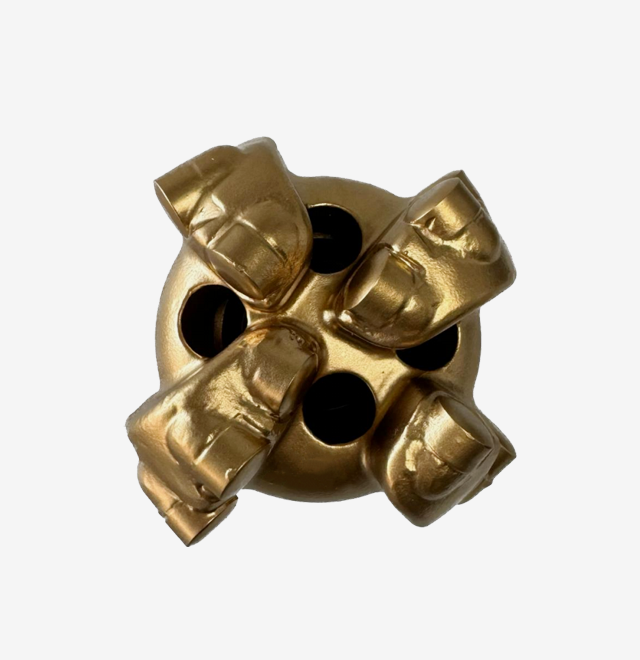
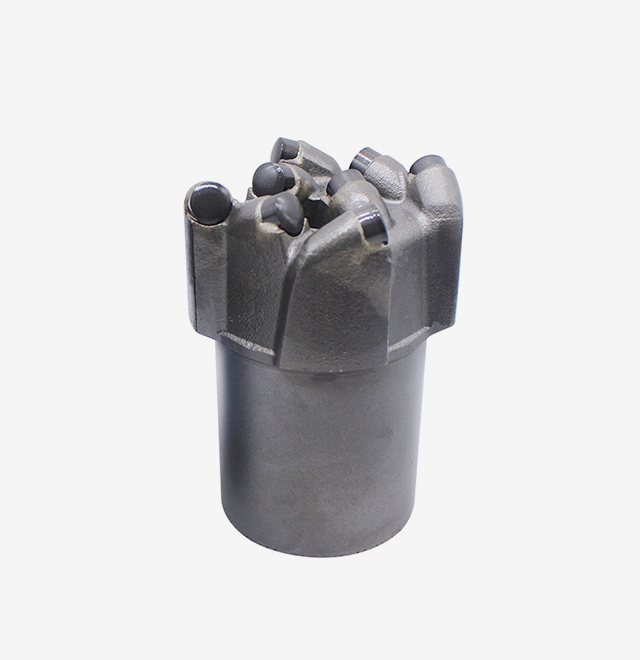
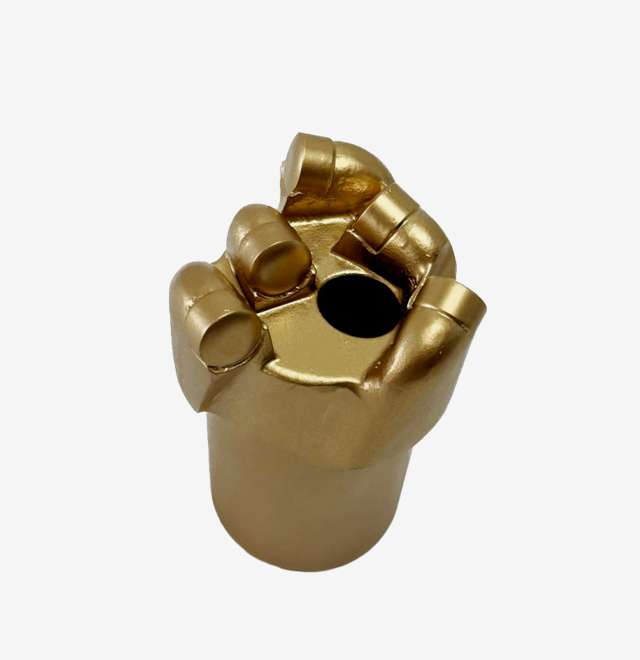
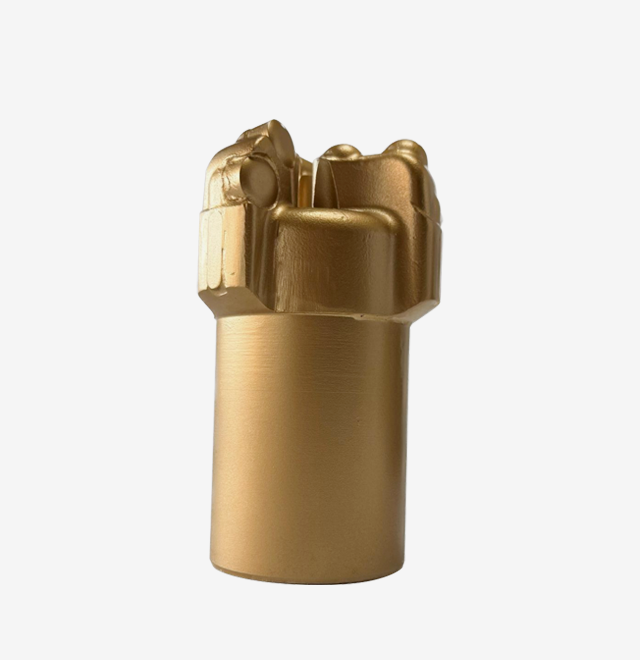
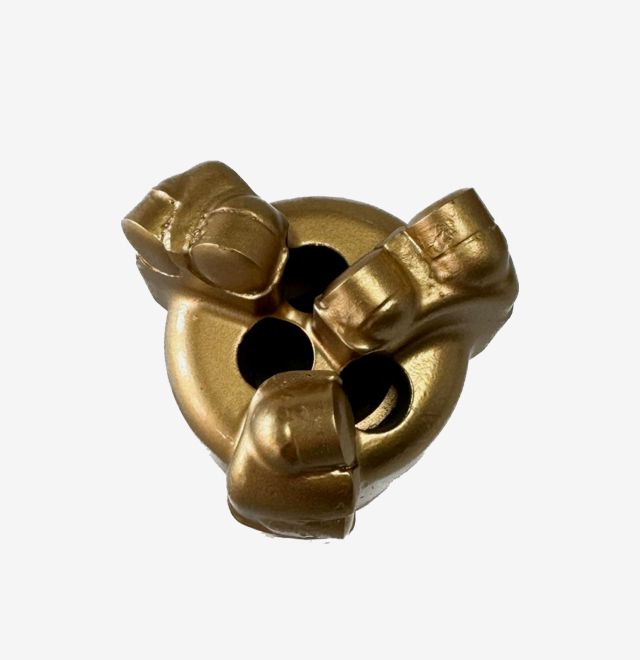
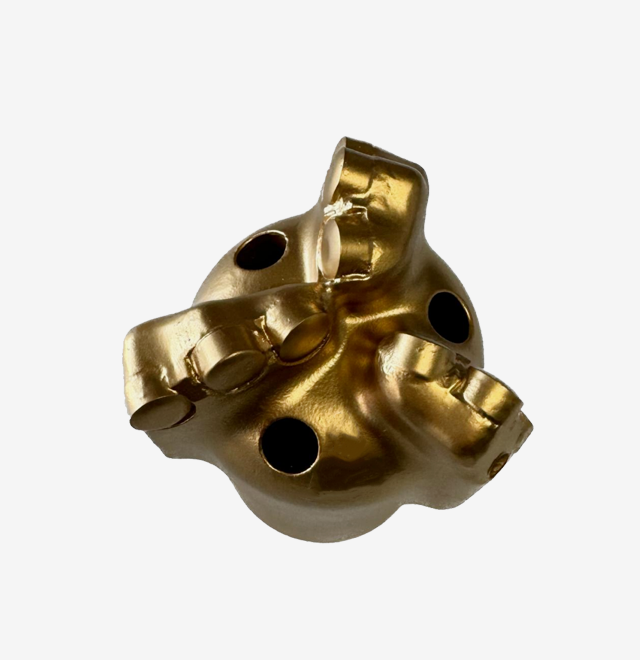
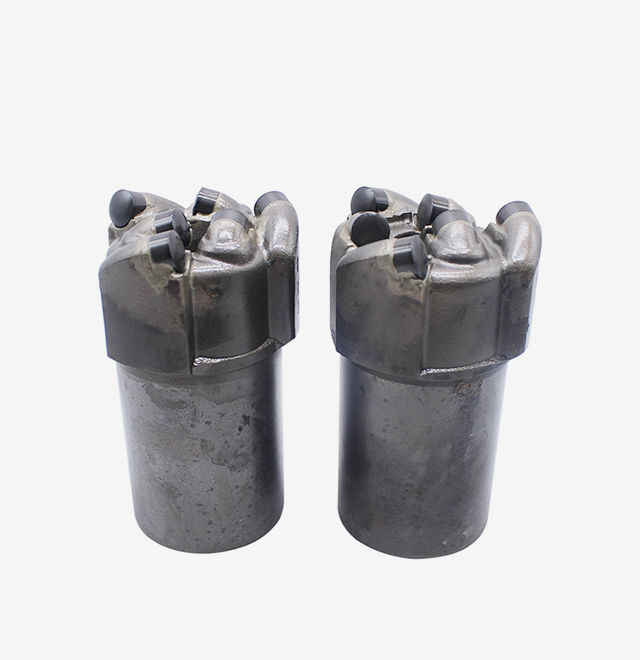
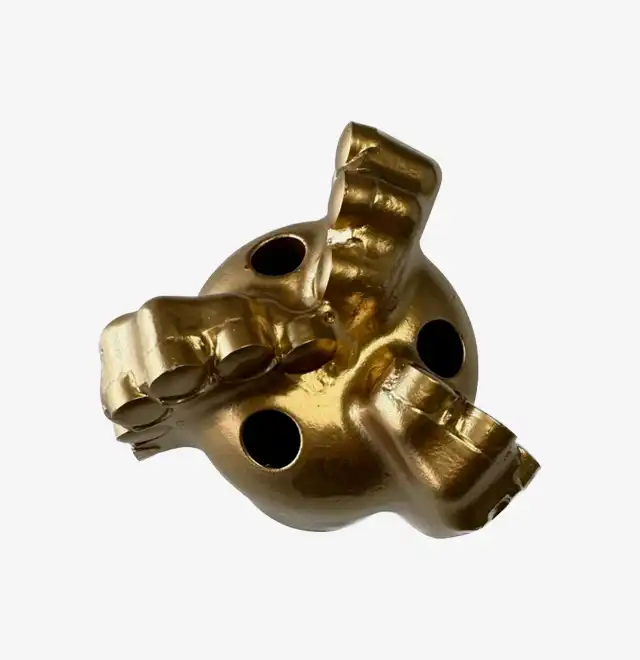
Matrix PDC Bit In Fractured Formations
2.Material Composition: Tungsten carbide matrix + PDC cutters.
3.Abrasive Formation Handling: High wear resistance and superior gage retention for highly abrasive rock.
4.Impact Resistance: High toughness prevents brittle failure.
5.Drilling Efficiency: High ROP and extended life reduce overall drilling cost.
6.Rock Suitability: Hard and abrasive formations (e.g., quartzite, granite, basalt). High strength and high durability.
- Product Description
Matrix PDC Bit in Fractured Formations: High-Performance Drilling Solution for Complex Rock Conditions
When drilling through fractured formations, you need tools built for durability and efficiency. The Matrix PDC Bit in Fractured Formations from Henan Me We Products Co., Ltd. combines tungsten carbide matrix construction with optimized PDC cutter placement, delivering exceptional performance in challenging geological environments. With over 10 years of PDC bit manufacturing expertise, our matrix design handles hard, abrasive, and fractured rock formations with superior impact resistance and extended service life. Standard sizes range from φ46mm to φ120mm, with production lead times of just 7–10 days and full customization available to match your specific drilling requirements.
Technical Specifications
| Specification | Details |
|---|---|
| Standard Sizes | φ46mm, φ56mm, φ60mm, φ65mm, φ76mm, φ94mm, φ98mm, φ120mm |
| Body Material | Tungsten carbide matrix composite |
| Cutter Type | Premium-grade PDC (Polycrystalline Diamond Compact) |
| Suitable Formations | Quartzite, granite, basalt, fractured rock, highly abrasive formations |
| Production Lead Time | 7–10 days for standard sizes |
| Customization | Available per customer drawings and specifications |
| Quality Standard | ISO 9001 compliant manufacturing |
Understanding Matrix PDC Technology for Challenging Formations
Broken shake arrangements display interesting boring challenges. Breaks, crevices, and changing shake hardness make affect loads that can rapidly harm standard penetrate bits. That's where lattice body development makes the difference.
Unlike steel-bodied bits, our network plan employments a tungsten carbide composite fabric. This makes a thick, wear-resistant structure that keeps up astuteness indeed when experiencing sudden arrangement changes. The material's tall durability avoids fragile failure—a common issue when penetrating through zones with unusual break patterns.
The PDC cutters are deliberately situated to adjust cutting proficiency with solidness. This plan optimization guarantees steady infiltration rates whereas ensuring the cutting components from untimely wear in rough conditions.
Key Performance Advantages
Superior Wear Resistance
The tungsten carbide matrix provides exceptional abrasion resistance. When you're drilling through quartzite or granite with natural fractures, this extended wear life translates directly to lower bit costs per meter drilled.
Outstanding Impact Tolerance
Fractured zones create sudden load changes that can crack or chip conventional bits. Our Matrix PDC Bit in Fractured Formations absorbs these impacts without compromising structural integrity, keeping your drilling operation running smoothly.
Excellent Gage Retention
Maintaining borehole diameter is critical for core quality and equipment protection. The matrix body design ensures consistent gage size throughout the bit's service life, even in highly abrasive rock conditions.
Enhanced Drilling Efficiency
Higher penetration rates combined with longer tool life reduce your overall drilling costs. Industry data shows PDC bits last 10 to 30 times longer than tungsten carbide alternatives, with at least 60% improved efficiency.
Applications Across Multiple Industries
Coal Mining Operations
Roof shooting and gas seepage boring advantage from the affect resistance and unwavering quality of framework construction.
Mining Investigation & Probing
Geological inspecting in difficult shake requires bits that keep up execution over changing arrangement types.
Water Well Drilling
Consistent borehole quality and expanded apparatus life decrease operational downtime and costs.
Geothermal & Geographical Prospecting
Deep penetrating applications request the solidness and warm resistance that framework PDC bits provide.
How to Select the Right Bit for Your Project?
Choosing the adjust items includes understanding your particular penetrating conditions. Our specialized group assesses a few key factors:
Formation Characteristics: Shake hardness, break conveyance, and abrasiveness decide ideal cutter arrangement and lattice composition.
Drilling Hardware: Fix control, torque capacity, rotational speed extend, and pump yield must coordinate bit plan specifications.
Operational Objectives: Target profundity, required entrance rates, and budget limitations direct item determination and parameter recommendations.
We give free specialized meeting to guarantee you get precisely what your venture needs.
FAQ
Q: What information should I provide before purchasing to ensure I choose the right PDC bit for my needs?
Q: What advantages do PDC bits have over tungsten carbide bits?
A: Take the two-wing PDC roof bolt bit as an example. Under identical rock conditions, its service life is 10 to 30 times longer than that of a tungsten carbide bit, and drilling efficiency is at least 60% higher. Additionally, PDC bits do not require resharpening, which significantly reduces labor intensity and saves rig time.
Q: What maintenance should be performed after each drilling operation?
A: After each drilling operation, clean the bit body promptly. Carefully check for any abnormalities, such as matrix detachment or cracking of the steel body. Also inspect the wear condition of the PDC cutters. If the gauge protection strip is worn by more than 2/3 of its original thickness, replace the bit or have the alloy re-welded. When less than 1/5 of the PDC cutter volume remains, replace the PDC cutters immediately.
Q: Drilling speed is unsatisfactory. How can I optimize drilling parameters based on rock conditions?
A: Rate of penetration depends closely on rock hardness, density, and abrasiveness. For soft to medium-hard formations, increase weight on bit and rotational speed appropriately. For hard rock formations, use a lower rotational speed, moderate weight on bit, and sufficient pump output to fully utilize the shearing and crushing action of the PDC cutters. Adjust parameters based on penetration feedback.
Q: How can I tell the difference between normal wear and abnormal damage?
A: Normal wear shows as uniform consumption of the diamond layer, with the cutting edge becoming dull but not chipped. Abnormal damage includes premature separation of the diamond layer, overall fracture, or weld failure—often caused by sudden formation changes or improper handling. To reduce risk, select a bit that matches your rig's performance and maintain stable operating parameters.
Ready to Improve Your Drilling Results?
Contact our technical team today for personalized product recommendations and expert support on Matrix PDC Bit in Fractured Formations: elena@mine-tools.com

USER EVALUATE
Here is the customer's evaluation of us