_1780459041732.webp)
Mining Drilling Tools
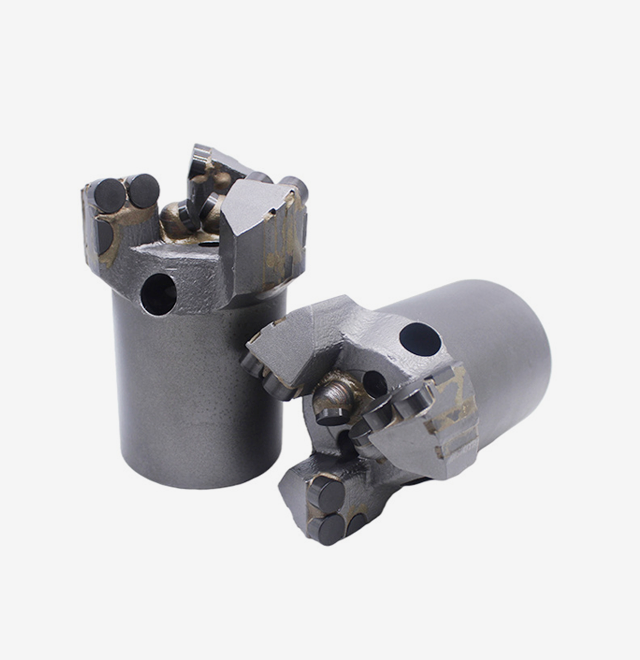
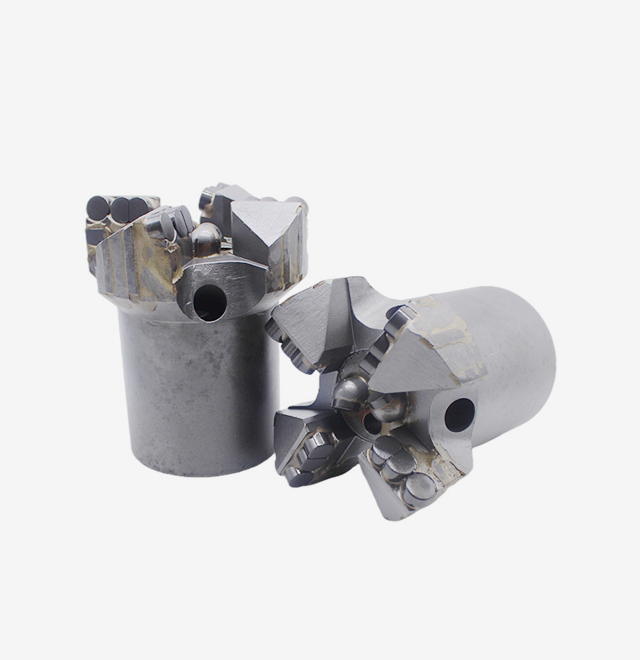
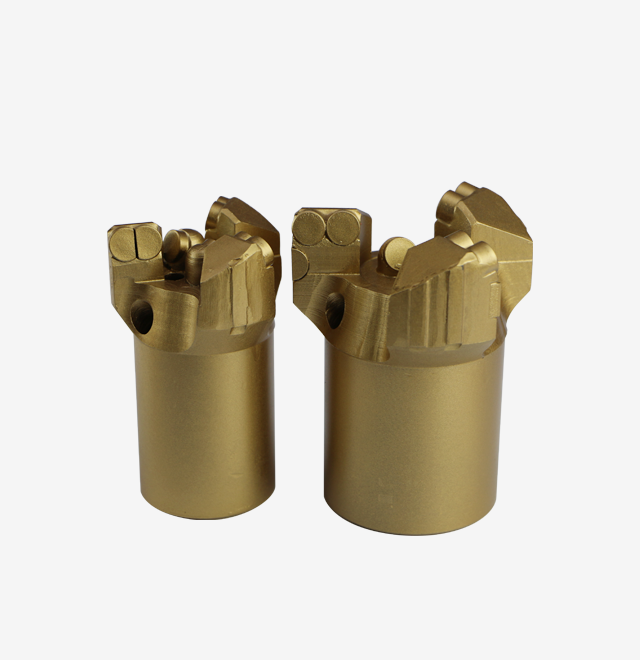
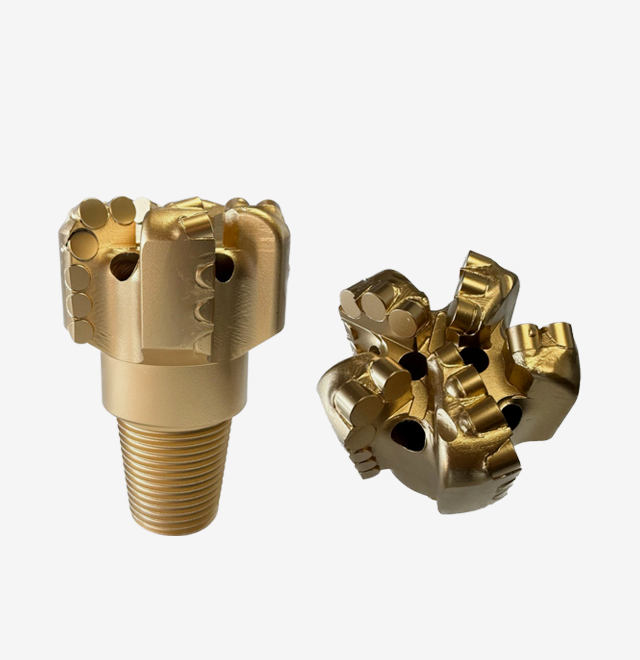
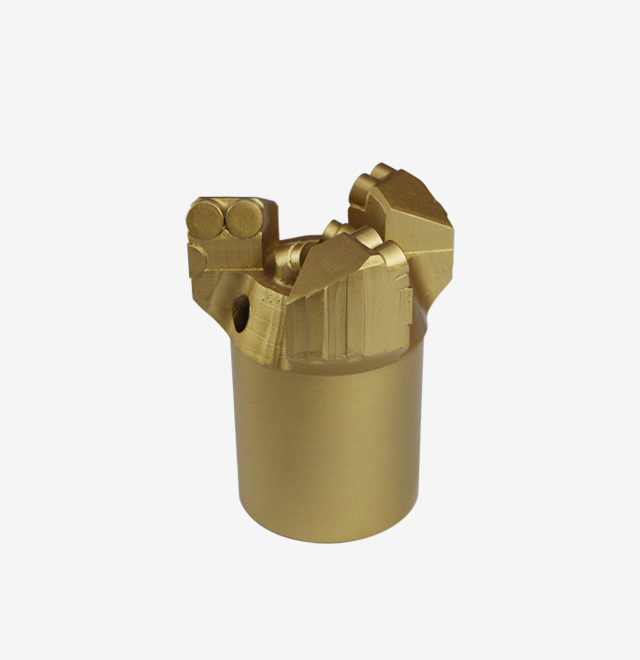
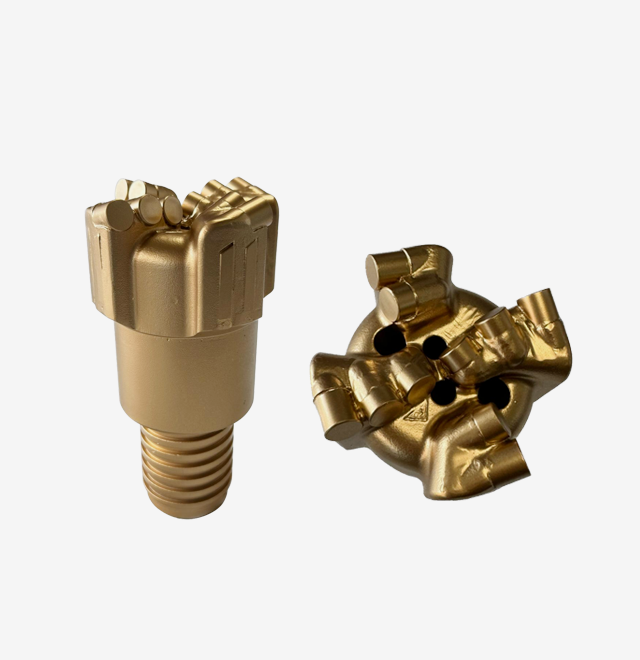
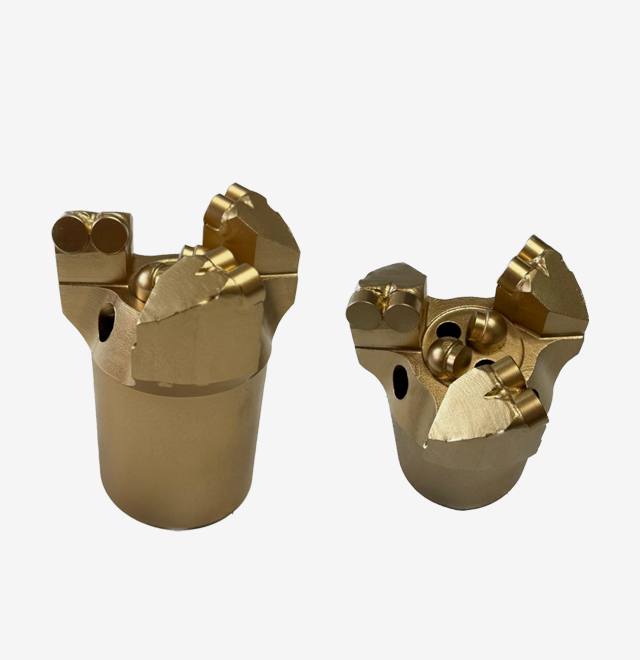
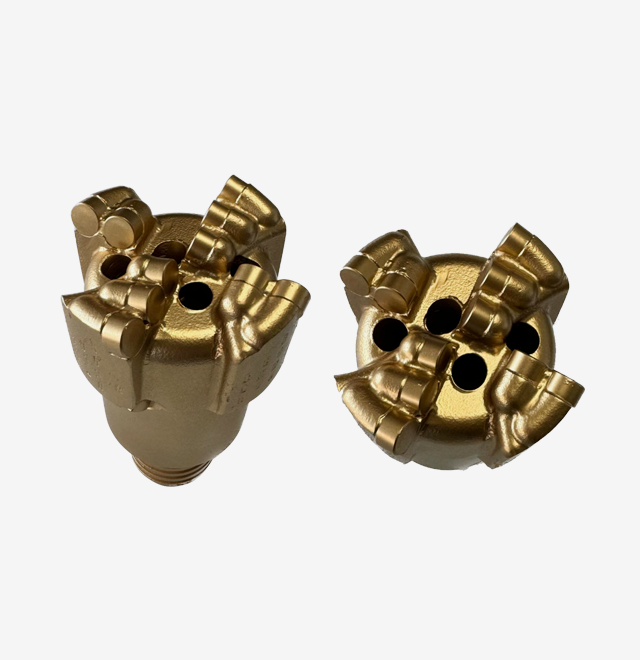
2.PDC coal bits last 10–30× longer than tungsten carbide bits.
3.Drilling efficiency is 50%+ higher.
4.Use for coalfield / geological exploration, gas drainage, dewatering.
5.High-speed drilling in soft to medium-hard rock.
6.Large waterway, fast chip removal, great cost_x001e_effectiveness.
- Product Description
Mining Drilling Tools: High-Performance PDC Drill Bits for Your Operation
When your drilling projects demand reliability and efficiency, you need Mining Drilling Tools built to deliver results. At Henan Me We Products Co., Ltd., we specialize in manufacturing premium PDC (Polycrystalline Diamond Compact) drill bits with over 10 years of industry expertise. Our products feature advanced PDC technology that extends bit life 10–30× longer than traditional tungsten carbide alternatives while boosting drilling efficiency by more than 50%. Designed for coalfield exploration, gas drainage, and dewatering applications, these tools combine large waterway designs with fast chip removal capabilities, ensuring exceptional cost-effectiveness across soft to medium-hard rock formations.
Technical Specifications
Hardness Category | Soft | Medium | Medium hard | Hard | Super hard | ||||||
Drillability Grade | 1 | 2 | 3 | 4 | 5 | 6 | 7 | 8 | 9 | 10 | 11 |
Protodyakonov Hardness | F≤10 | 10<F≤15 | |||||||||
Rock | sandstone, limestone, marble, dolomite, pyrite, shale | granite, hard sandstone, conglomerate, limestone, quartz vein | |||||||||
Concave Drill Bit | |||||||||||
Standard | √ | √ | √ | √ | √ | √ | |||||
Premium | √ | √ | √ | √ | √ | √ | √ | ||||
Ultra Premium | √ | √ | √ | √ | √ | √ | √ | √ | |||
Understanding PDC Technology in Modern Drilling Operations
PDC innovation speaks to a breakthrough in boring execution. This superhard fabric combines tungsten carbide with engineered precious stone made beneath high-pressure, high-temperature conditions. The result? You get boring apparatuses that cut through arrangements speedier, final essentially longer, and require negligible support compared to routine options.
Our fabricating prepare takes after strict universal ISO 9001 guidelines. This implies each bit clearing out our office meets thorough quality benchmarks. You can believe that your hardware will perform reliably, extend after venture.
Applications That Match Your Operational Needs
Coalfield and Geological Exploration
When you're mapping subsurface geology or exploring coal deposits, precision matters. Our bits deliver clean boreholes with excellent directional stability.
Gas Drainage Systems
Underground gas drainage requires reliable equipment that won't fail mid-operation. These tools maintain performance even in challenging underground conditions.
Dewatering Operations
Managing water in mining environments demands efficient drilling. The large waterway design ensures rapid chip removal, keeping your operation moving forward.
What Sets Our Mining Drilling Tools Apart?
Geological Adaptation Engineering
We don't believe in one-size-fits-all solutions. Our engineering team analyzes your specific rock type, hardness levels, brittleness characteristics, and clay content. This detailed assessment allows us to recommend or customize bits that truly match your formation challenges.
Matched to Your Equipment
Your drill rig's power, torque output, and cooling system all influence bit performance. We evaluate these factors carefully, ensuring the tool you receive works seamlessly with your existing equipment. No mismatches, no wasted investment.
Proven Manufacturing Experience
A decade of focused PDC bit production means we've solved problems you haven't encountered yet. Our quality control systems catch potential issues before products ship. You benefit from lessons learned across thousands of drilling projects worldwide.
Global Delivery Infrastructure
We partner with trusted international carriers to bring Mining Drilling Tools directly to your site. Whether you're operating in Australia, Central Asia, Southeast Asia, or Africa, expect fast, secure delivery that keeps your project schedule on track.
Responsive Technical Support
Questions don't wait for business hours. Our technical team provides practical guidance for parameter optimization, troubleshooting, and performance enhancement. When challenges arise in the field, you have experienced partners ready to help.
Maximizing Tool Performance and Lifespan
Pre-Operation Planning
Success begins some time recently the bit touches shake. Share subtle elements around your arrangement hardness, target profundity, fix details, and any uncommon conditions. This data makes a difference us coordinate you with the ideal device configuration.
Parameter Optimization
Adjust weight on bit and rotational speed based on real-time execution. For milder arrangements, you can increment both parameters. In harder shake, diminish revolution whereas keeping up satisfactory pump yield. Each bit ships with suggested working ranges—use them as your beginning point.
Post-Operation Maintenance
After each run, clean the bit altogether and review for network partition or steel body splits. Check PDC cutter wear carefully. When gage security strips wear past 2/3 of unique thickness, substitution gets to be essential to keep up productivity. Supplant cutters when less than 1/5 of their volume remains.
Recognizing Wear Patterns
Normal wear appears uniform precious stone layer utilization with dulling edges—addressable through reconditioning. Unusual harm shows up as untimely spalling, cutter breaks, or weld disappointments, regularly caused by arrangement changes or taking care of issues. Steady working parameters and appropriate procedure minimize anomalous harm hazard.
FAQ
Q: What information should I provide before purchasing to ensure I choose the right PDC bit for my needs?
Q: What advantages do PDC bits have over tungsten carbide bits?
A: Take the two-wing PDC roof bolt bit as an example. Under identical rock conditions, its service life is 10 to 30 times longer than that of a tungsten carbide bit, and drilling efficiency is at least 60% higher. Additionally, PDC bits do not require resharpening, which significantly reduces labor intensity and saves rig time. Industry data shows that PDC bits typically last more than 10 times longer than tungsten carbide bits.
Q: What maintenance should be performed after each drilling operation?
A: After each drilling operation, clean the bit body promptly. Carefully check for any abnormalities, such as matrix detachment or cracking of the steel body. Also inspect the wear condition of the PDC cutters. If the gauge protection strip is worn by more than 2/3 of its original thickness, continued use will severely reduce drilling efficiency and accelerate wear on the core barrel and drill pipe. In that case, replace the bit or have the alloy re-welded. When less than 1/5 of the PDC cutter volume remains, do not continue using the bit—replace the PDC cutters immediately.
Q: Drilling speed is unsatisfactory. How can I optimize drilling parameters based on rock conditions?
Q: How can I tell the difference between normal wear and abnormal damage of a bit?
A: Bit failure typically appears as diamond layer spalling, chipped cutters, lost cutters, or erosion of the cutter studs. Normal wear usually shows as uniform consumption of the diamond layer, with the cutting edge becoming dull but not chipped. This can be addressed by manual conditioning of the bit or by replacing the PDC cutters. Abnormal damage includes premature separation of the diamond layer from the tungsten carbide substrate, overall fracture of the diamond layer, or weld failure. These issues are often caused by sudden changes in formation or improper handling. To reduce the risk of abnormal damage, operators should select a PDC bit that matches the performance of their drill rig, maintain stable WOB and rotational speed while drilling, and avoid heavy impacts as much as possible.
Partner With Experience You Can Trust
Ready to improve your drilling results with Mining Drilling Tools? Contact our team at elena@mine-tools.com to discuss your project requirements and receive expert recommendations.

USER EVALUATE
Here is the customer's evaluation of us