_1780459041732.webp)
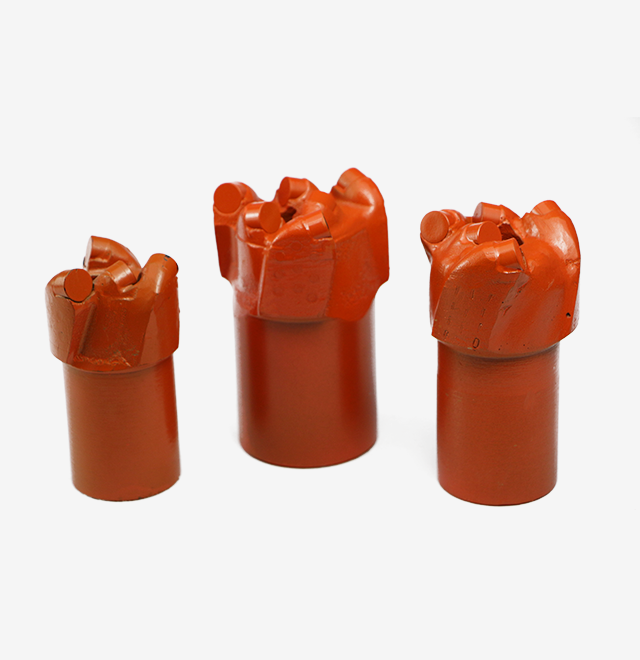
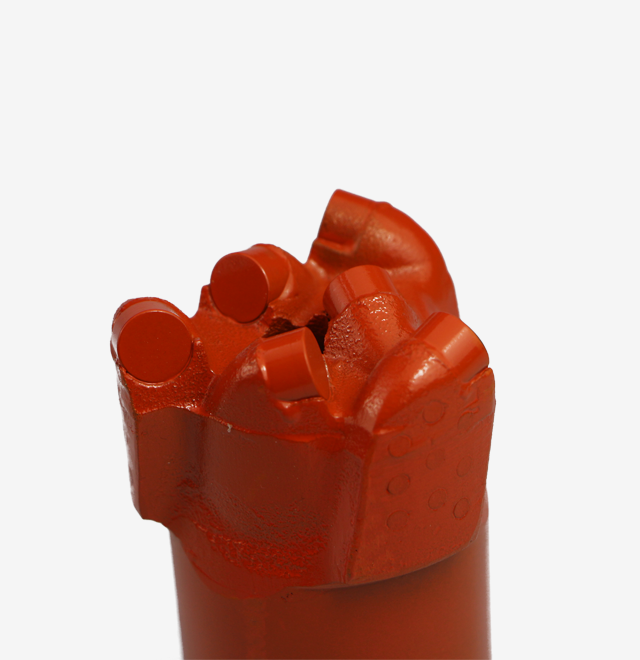
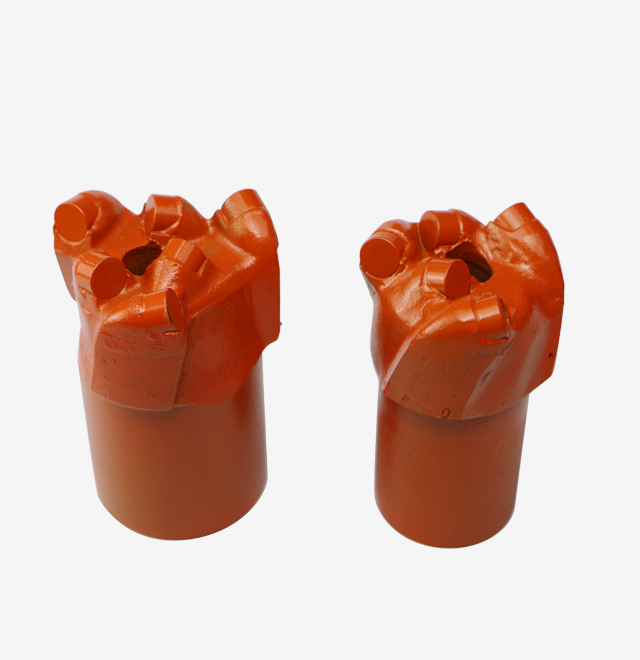
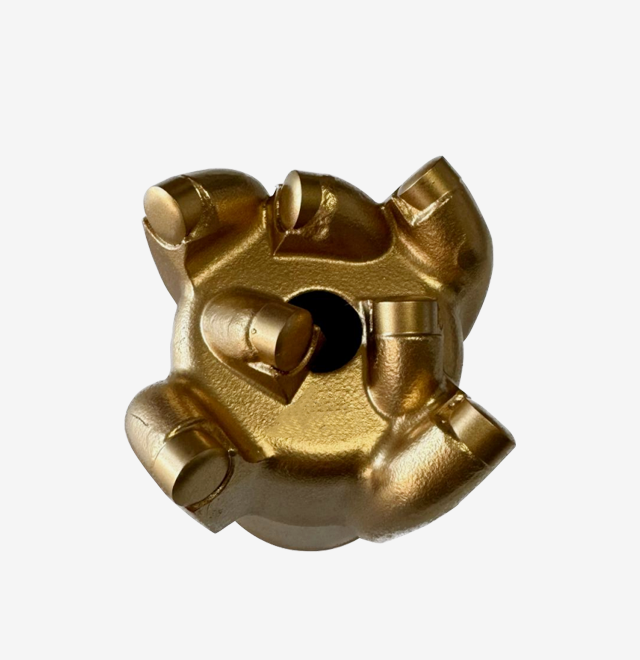
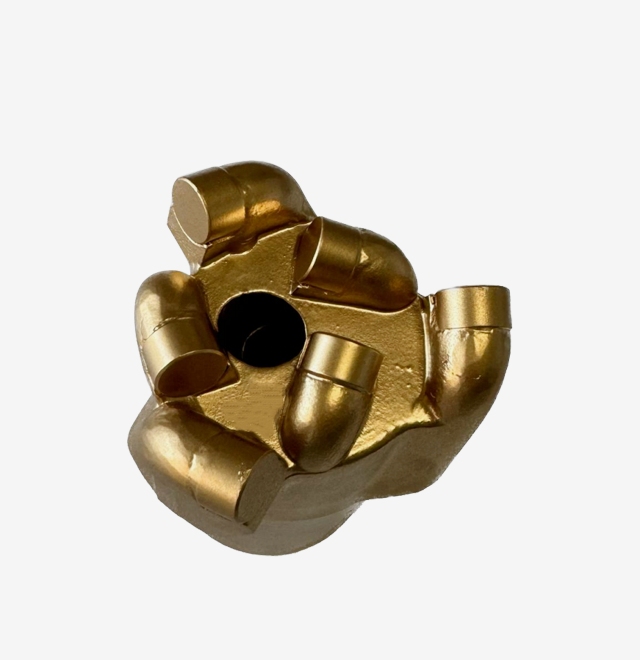
Drilling Tools for Sandstone in Grouting Holes
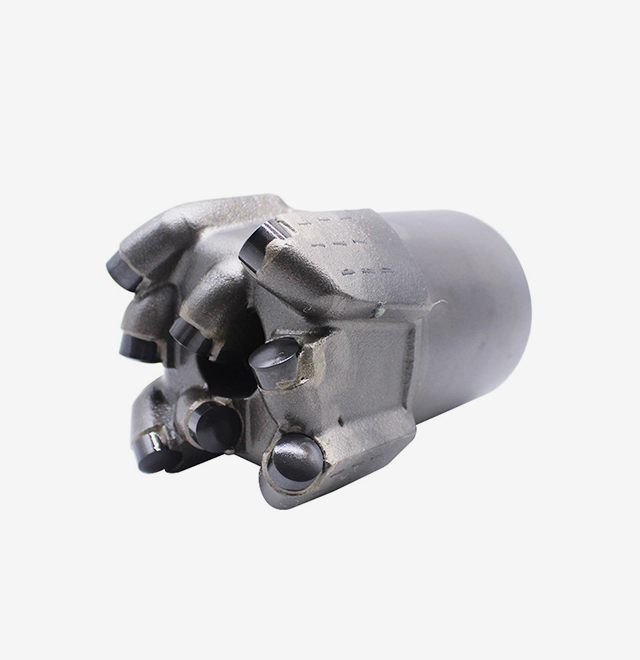
2.PDC cutter exposure height and transverse rake angle are field_x001e_adjustable for formation flexibility.
3.High wear resistance and extended service life.
4.Suitable for medium hard to hard rock formations.
5.High compact resistance and a high_x001e_strength steel body.
6.Applications: coal mining, mining exploration, water well, geothermal, geological prospecting.
- Product Description
Drilling Tools for Sandstone in Grouting Holes
When you're working on grouting projects in sandstone formations, choosing the right Drilling Tools for Sandstone in Grouting Holes makes all the difference. Henan Me We Products Co., Ltd. brings you over 10 years of PDC bit manufacturing expertise with tools engineered for medium-hard to hard rock conditions. Our flat face crown geometry reduces vibration by up to 60%, while adjustable PDC cutter configurations ensure superior formation adaptability. With drilling efficiency improvements of at least 60% compared to traditional carbide tools and service life extended 10-30 times, you get reliable performance backed by ISO 9001 quality standards and fast 7-10 day delivery worldwide.
Technical Specifications
| Parameter | Specification |
|---|---|
| Typical Sizes | φ45, φ56, φ60, φ65, φ94, φ98 |
| Customization | Available according to customer drawings |
| Crown Geometry | Flat face design with balanced force distribution |
| Cutter Configuration | Adjustable exposure height and rake angle |
| Body Material | High-strength steel with superior impact resistance |
| Suitable Formations | Medium-hard to hard sandstone and similar rock types |
| Production Lead Time | 7-10 days (standard); flexible for urgent orders |
Why Sandstone Grouting Applications Need Specialized Drilling Tools?
Sandstone presents interesting challenges for grouting operations. The shake changes in hardness and regularly contains clay layers that influence penetrating steadiness. You require apparatuses that can handle these irregularities without compromising gap quality.
Our items highlight adjusted constrain dissemination over the cutting confront. This plan minimizes deviation and keeps your boreholes straight—critical for successful grout placement.
The movable transverse rake point lets you optimize execution as arrangement characteristics alter. You won't require to halt and switch bits when experiencing harder zones inside the sandstone layer.
Key Features That Improve Your Grouting Operations
Enhanced Stability and Precision
The level confront crown geometry disperses cutting powers equitably. This decreases sidelong vibration that can broaden your borehole past detail. More tightly gap resiliences cruel superior grout control and progressed auxiliary reinforcement.
Extended Tool Life
High wear-resistant materials altogether outlive ordinary boring apparatuses. You'll spend less time changing bits and more time completing gaps. This straightforwardly deciphers to lower taken a toll per meter drilled.
Adaptable to Variable Geology
Sandstone arrangements seldom remain uniform. Our instruments handle moves between milder and harder zones without execution drops. The flexible cutter plan lets you keep up reliable entrance rates all through the penetrating process.
High Impact Resistance
The strengthened steel body withstands the requesting conditions of grouting applications. Indeed when you experience unforeseen difficult incorporations in the sandstone, the instrument keeps up basic keenness.
Applications Beyond Grouting Holes
While these Drilling Tools for Sandstone in Grouting Holes excel in their primary role, they're versatile enough for:
- Mining exploration and probing operations
- Water well construction in sandstone aquifers
- Geothermal drilling projects
- Geological prospecting in sedimentary formations
- Coal mining roof bolting applications
How We Support Your Project Success?
Customized Selection Guidance
Every sandstone formation behaves differently. Our technical team analyzes your specific conditions—rock hardness, drilling depth, rig specifications—to recommend the optimal tool configuration for your project.
Fast Global Delivery
We maintain flexible inventory and work with reliable international carriers. Your tools reach you quickly, wherever your project site is located.
Responsive Technical Support
Questions about drilling parameters? Facing unexpected formation changes? Our engineers provide practical solutions based on real field experience, not just theory.
FAQ
Q: What information should I provide before purchasing to ensure I choose the right PDC bit for my needs?
A: To help our team recommend the most suitable PDC bit, please provide: ① Hardness coefficient (F-value or drillability grade) or lithology of the target rock formation; ② Expected borehole diameter and depth; ③ Drill rig model and key operating parameters (rotational speed, torque, pump output); ④ Application scenario (e.g., grouting holes, geological exploration); ⑤ Any special requirements (e.g., fractured zones, hard interlayers). Our technical team will offer professional selection advice and free technical support.
Q: What advantages do PDC bits have over tungsten carbide bits?
A: Under identical rock conditions, PDC bit service life is 10 to 30 times longer than tungsten carbide bits, with drilling efficiency at least 60% higher. PDC bits don't require resharpening, which significantly reduces labor intensity and saves rig time. This makes them ideal for grouting applications where downtime directly impacts project schedules.
Q: What maintenance should be performed after each drilling operation?
A: After each operation, clean the bit body promptly and check for abnormalities like matrix detachment or steel body cracking. Inspect PDC cutter wear conditions. If the gauge protection strip is worn by more than 2/3 of its original thickness, replace the bit or have alloy re-welded. When less than 1/5 of the PDC cutter volume remains, replace the cutters immediately to maintain drilling performance.
Q: Drilling speed is unsatisfactory. How can I optimize drilling parameters based on rock conditions?
A: Rate of penetration depends on rock hardness, density, and abrasiveness. For soft to medium-hard sandstone, increase weight on bit and rotational speed appropriately. For hard sandstone formations, use lower rotational speed with moderate weight on bit and sufficient pump output. Each bit size has recommended operating parameter ranges. Adjust based on penetration feedback, and pull out for inspection if you encounter abnormal vibration.
Q: How can I tell the difference between normal wear and abnormal damage of a bit?
A: Normal wear shows uniform consumption of the diamond layer with dulling but not chipping of the cutting edge. Abnormal damage includes premature diamond layer separation, overall fracture, or weld failure—often caused by sudden formation changes or improper handling. To reduce abnormal damage risk, match your PDC bit to your drill rig performance, maintain stable operating parameters, and avoid heavy impacts.
Get Your Sandstone Grouting Project Started
Ready to improve your drilling efficiency with Drilling Tools for Sandstone in Grouting Holes? Contact our team at elena@mine-tools.com for personalized tool recommendations and technical support.

USER EVALUATE
Here is the customer's evaluation of us