_1780459041732.webp)
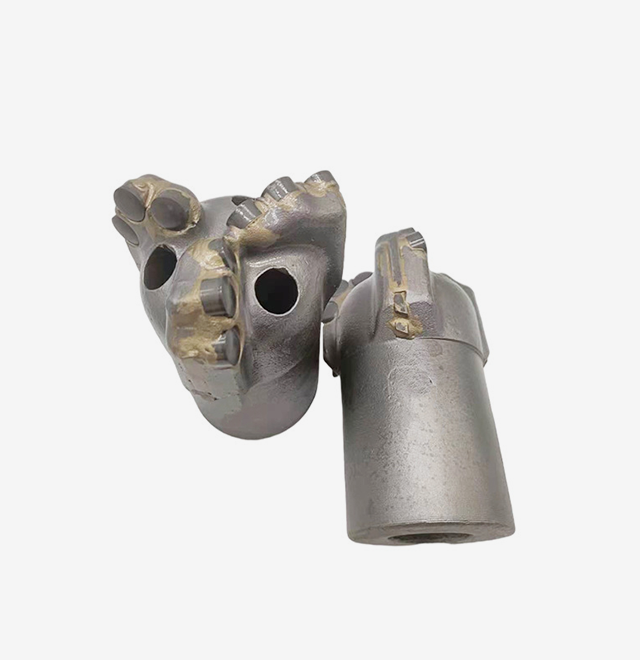
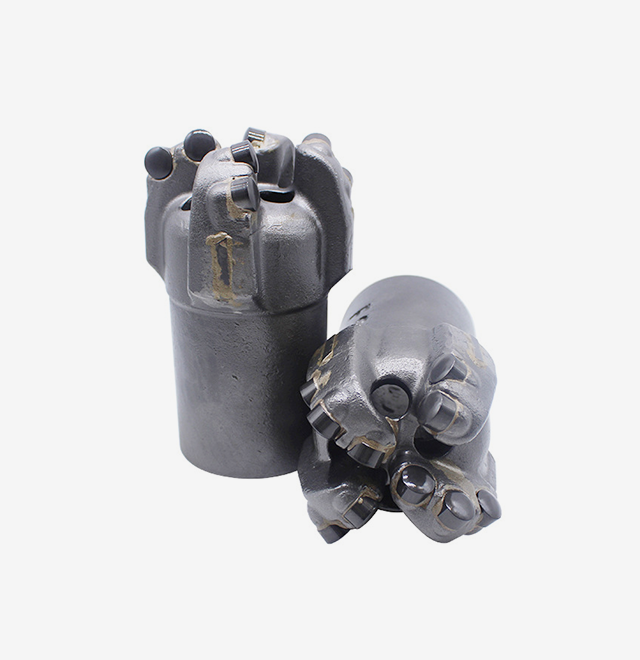
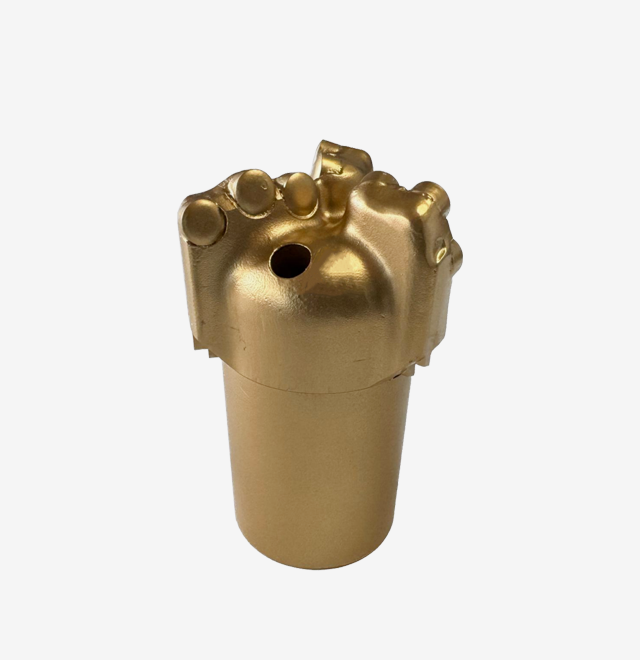
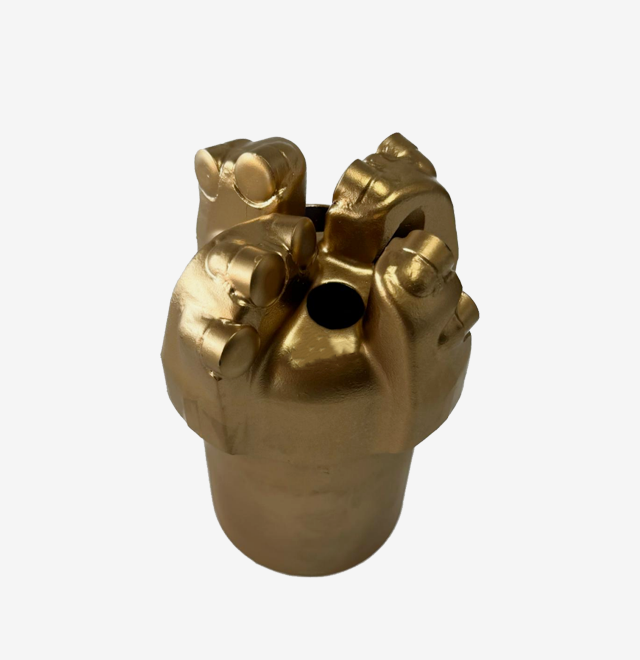
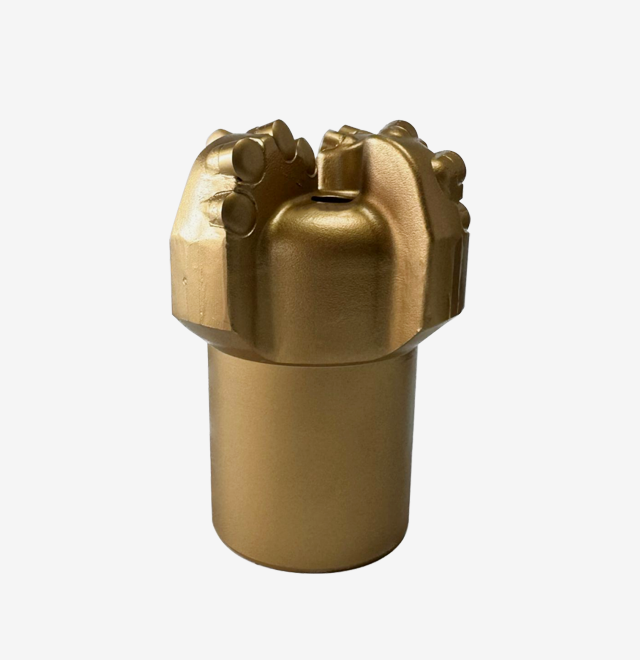
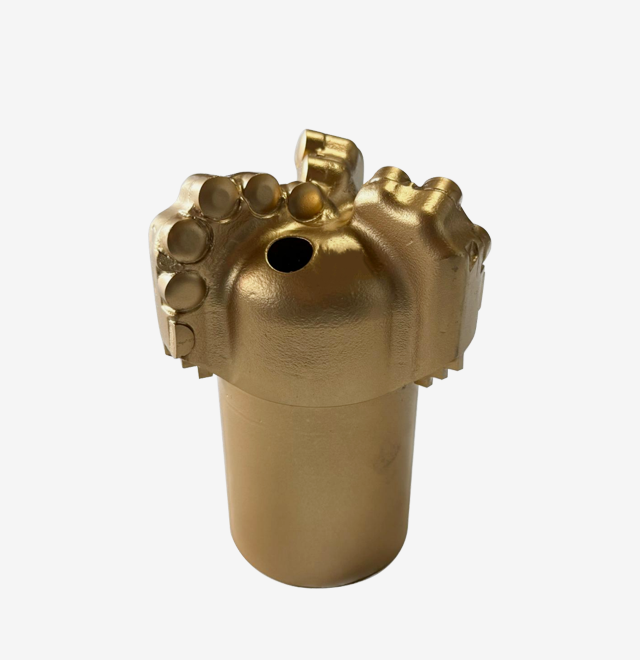
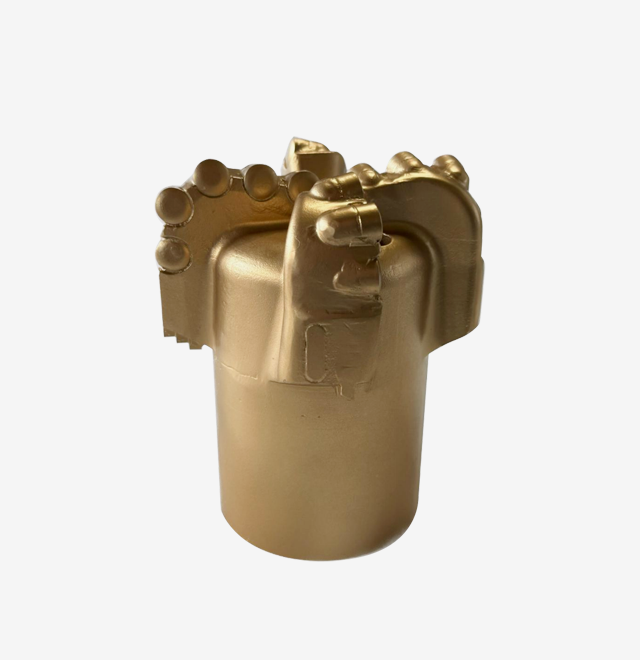
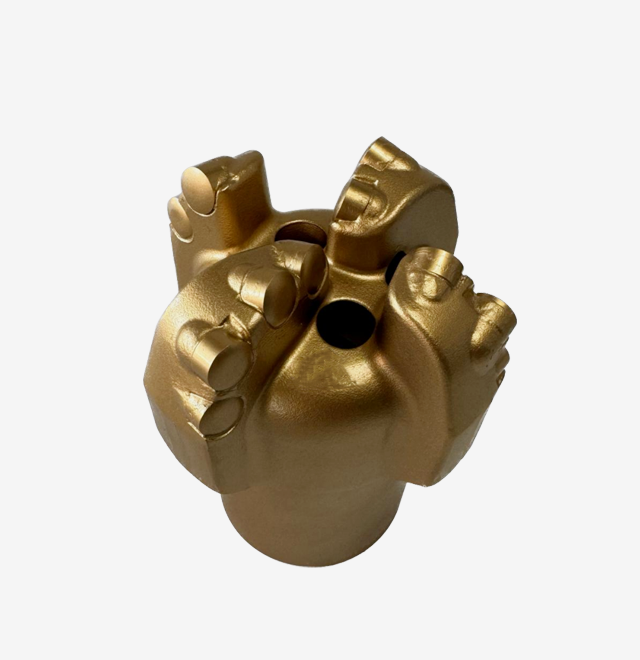
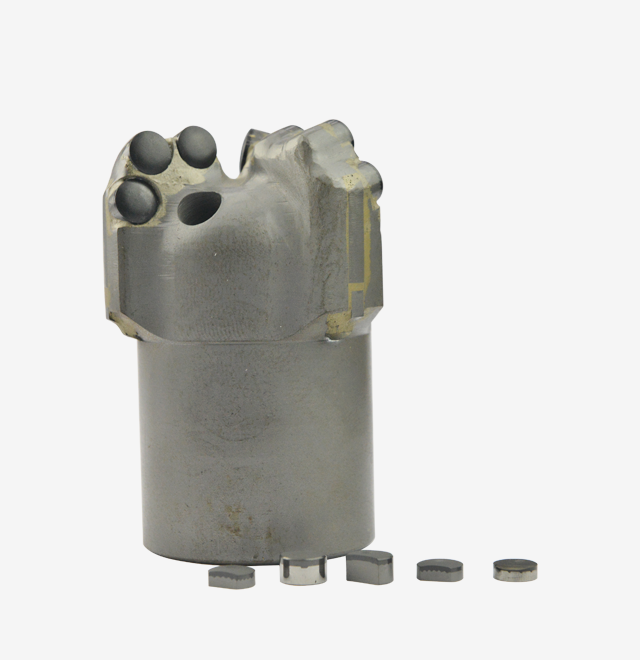
PDC Arc Bit for Tunneling
2.Multi-track layered cutting – less resistance, no re-crushing.
3.Asymmetric blades & staggered cutters – faster rock breaking, shorter工期.
4.Uses: coal, oil, geology, hydropower, railways, highways, tunneling.
5.Dynamic flow – stops hole shrinkage, removes chips, cools bit – longer life.
6.Great in fractures & broken formations – less damage.
- Product Description
PDC Arc Bit for Tunneling
When it comes to reliable tunneling solutions, the PDC Arc Bit for Tunneling from Henan Me We Products Co., Ltd. stands out with proven performance. Backed by over 10 years of PDC bit manufacturing expertise, our arc-angle design delivers efficient cutting and exceptional wear resistance across coal mining, geological exploration, and infrastructure projects. With production lead times of just 7–10 days and ISO 9001-certified quality standards, you get enterprise-grade reliability. Our bits feature multi-track layered cutting technology and asymmetric blade configurations that reduce drilling resistance by minimizing rock re-crushing, helping you complete tunneling projects faster and more cost-effectively.
Technical Specifications
Hardness Category | Soft | Medium | Medium hard | Hard | Super hard | |||||||
Drillability Grade | 1 | 2 | 3 | 4 | 5 | 6 | 7 | 8 | 9 | 10 | 11 | 12 |
Protodyakonov Hardness | F≤10 | 10<F≤15 | 15<F≤20 | |||||||||
Rock | sandstone, limestone, marble, dolomite, pyrite, shale | granite, hard sandstone, conglomerate, limestone, quartz vein | hard granite, quartzite, basalt, igneous rock | |||||||||
PDC Arc Bit | ||||||||||||
Standard | √ | √ | √ | √ | ||||||||
Premium | √ | √ | √ | √ | √ | |||||||
Ultra Premium | √ | √ | √ | √ | √ | √ | √ | |||||
What Makes Arc-Angle PDC Bits Different?
Conventional bits battle in broken arrangements. Our arc-angle structure changes that.
The bended cutting profile disseminates affect powers equitably. This implies your bit handles shake breaks and broken arrangements without sudden harm. You'll take note less crisis substitutions and lower downtime costs.
Multi-track layered cutting is the moment game-changer. Instep of smashing the same shake different times, each cutter track locks in new fabric. The result? Less resistance, speedier entrance, and decreased vitality utilization from your rig.
Asymmetric edges with stunned cutters total the plan. This format breaks shake more forcefully whereas keeping up adjust. You get speedier headway through difficult arrangements without relinquishing bit soundness.
Where You Can Use These Bits?
Coal Mining Operations: Explore delicate to medium-hard coal creases with certainty. The energetic stream field anticipates borehole compression that frequently plagues coal drilling.
Geological Investigation: Erratic arrangements request versatile devices. Our designing group analyzes shake hardness, brittleness, and clay substance to coordinate the right bit to your geology.
Infrastructure Tunneling: Railroads, thruways, and hydropower ventures advantage from quicker entrance rates. Diminished extend timelines decipher specifically to lower labor and gear costs.
Oil Penetrating Applications: Tall torque and nonstop operation require strong cutters. Our item keeps up cutting effectiveness indeed beneath requesting rotational speeds.
Performance Advantages You'll Notice
Extended Benefit Life: The arc-angle plan handles stretch superior than flat-profile bits. Anticipate 10 to 30 times longer life compared to conventional tungsten carbide choices in comparable conditions.
Superior Chip Departure: Energetic stream channels course boring liquids accurately where required. Cuttings clear quicker, temperatures remain controlled, and your bit remains sharp longer.
Complex Arrangement Solidness: Broken zones and interlayered shake annihilate conventional bits. Our stunned cutter format and vigorous network development stand up to startling impacts.
No Resharpening Required: Not at all like tungsten carbide bits that require visit support, PDC cutters keep up their edge. You spare on labor escalated and fix downtime.
How We Ensure Quality?
Every PDC Arc Bit for Tunneling undergoes rigorous testing before shipment. Our quality management system follows international ISO 9001 protocols.
We don't just manufacture to specifications. Our technical team evaluates your specific drilling environment:
- Rig type and power capabilities
- Expected torque and rotational speed
- Cooling system capacity
- Formation characteristics at your site
This assessment ensures the bit you receive matches your actual operating conditions, not generic recommendations.
Our strong R&D team continuously refines cutter materials and matrix formulations. When field challenges arise, we provide professional solutions that improve drilling efficiency while controlling costs.
Getting the Right Bit for Your Project
Choosing the wrong bit wastes time and money. Here's what our team needs to recommend the perfect match:
Formation Details: Rock hardness coefficient (F-value), lithology, and any known fracture zones help us select appropriate cutter density and profile.
Borehole Requirements: Diameter and depth determine bit size and gauge protection specifications.
Equipment Parameters: Your drill rig's rotational speed, torque output, and pump capacity define operating limits we design within.
Application Context: Roof bolting differs from deep exploration. Knowing your scenario helps us optimize cutter layout and flow field design.
Provide these details to elena@mine-tools.com, and our technical team offers free consultation plus custom manufacturing when standard options don't fit.
Maintenance That Maximizes Investment
After each drilling operation, clean the bit body thoroughly. Inspect for matrix detachment or steel body cracks.
Check PDC cutter wear carefully. When cutters wear down to less than 1/5 of original volume, replacement becomes necessary. Continuing past this point damages core barrels and drill pipes.
Gauge protection strips matter more than most operators realize. If wear exceeds 2/3 of original thickness, drilling efficiency drops sharply. Replace the bit or have alloy re-welded before reaching this point.
Normal wear shows as uniform diamond layer consumption with dulling edges. Abnormal damage appears as premature spalling, fractured cutters, or weld failures—usually from formation changes or improper handling.
FAQ
Q: What information should I provide before purchasing to ensure I choose the right PDC bit for my needs?
Q: What advantages do PDC bits have over tungsten carbide bits?
A: Take the two-wing PDC roof bolt bit as an example. Under identical rock conditions, its service life is 10 to 30 times longer than that of a tungsten carbide bit, and drilling efficiency is at least 60% higher. Additionally, PDC bits do not require resharpening, which significantly reduces labor intensity and saves rig time. Industry data shows that PDC bits typically last more than 10 times longer than tungsten carbide bits.
Q: What maintenance should be performed after each drilling operation?
A: After each drilling operation, clean the bit body promptly. Carefully check for any abnormalities, such as matrix detachment or cracking of the steel body. Also inspect the wear condition of the PDC cutters. If the gauge protection strip is worn by more than 2/3 of its original thickness, continued use will severely reduce drilling efficiency and accelerate wear on the core barrel and drill pipe. In that case, replace the bit or have the alloy re-welded. When less than 1/5 of the PDC cutter volume remains, do not continue using the bit – replace the PDC cutters immediately.
Q: Drilling speed is unsatisfactory. How can I optimize drilling parameters based on rock conditions?
A: Rate of penetration depends closely on rock hardness, density, and abrasiveness. For soft to medium-hard formations, increase weight on bit and rotational speed appropriately. For hard rock formations, use a lower rotational speed, moderate WOB, and sufficient pump output to fully utilize the shearing and crushing action of the PDC cutters. Each bit size has a recommended range of operating parameters – refer to the product data sheet for details. As a general rule, adjust parameters based on penetration feedback. If you encounter abnormal vibration or a sudden drop in ROP, pull the bit out for inspection.
Q: How can I tell the difference between normal wear and abnormal damage of a bit?
A: Bit failure typically appears as diamond layer spalling, chipped cutters, lost cutters, or erosion of the cutter studs. Normal wear usually shows as uniform consumption of the diamond layer, with the cutting edge becoming dull but not chipped. This can be addressed by manual conditioning of the bit or by replacing the PDC cutters. Abnormal damage includes premature separation of the diamond layer from the tungsten carbide substrate, overall fracture of the diamond layer, or weld failure. These issues are often caused by sudden changes in formation or improper handling.
Ready to Improve Your Tunneling Efficiency?
Contact elena@mine-tools.com today for personalized bit recommendations on PDC Arc Bit for Tunneling and technical support tailored to your project requirements.

USER EVALUATE
Here is the customer's evaluation of us