_1780459041732.webp)
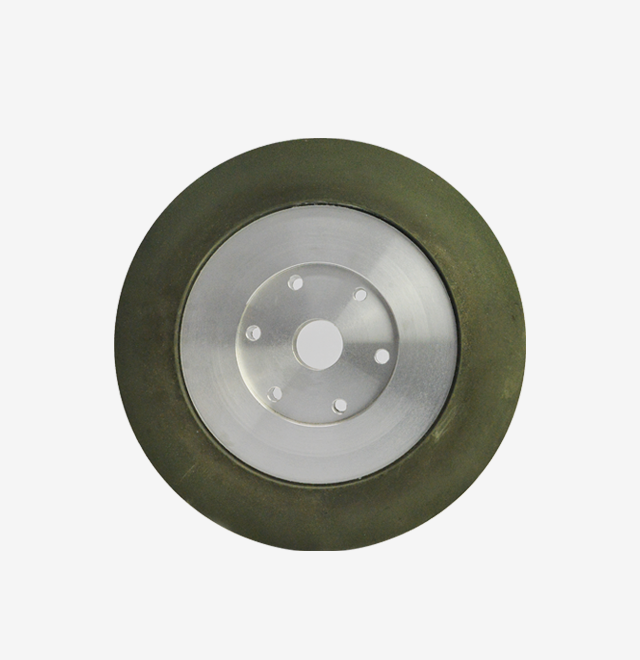
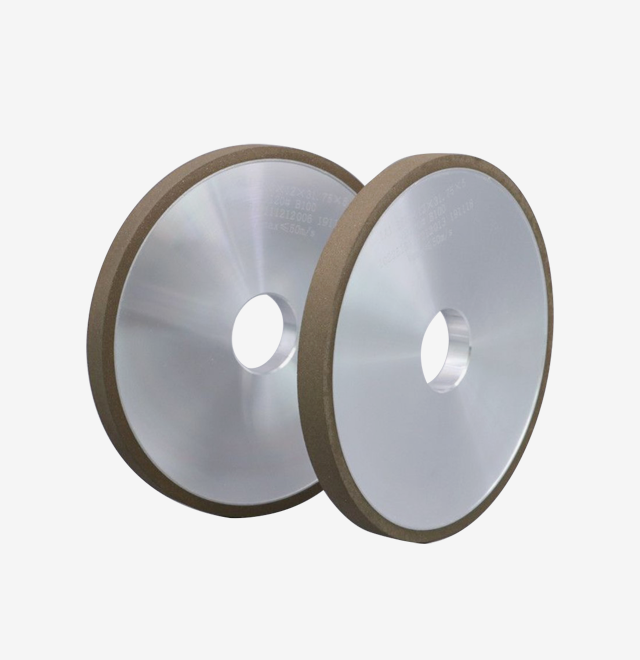
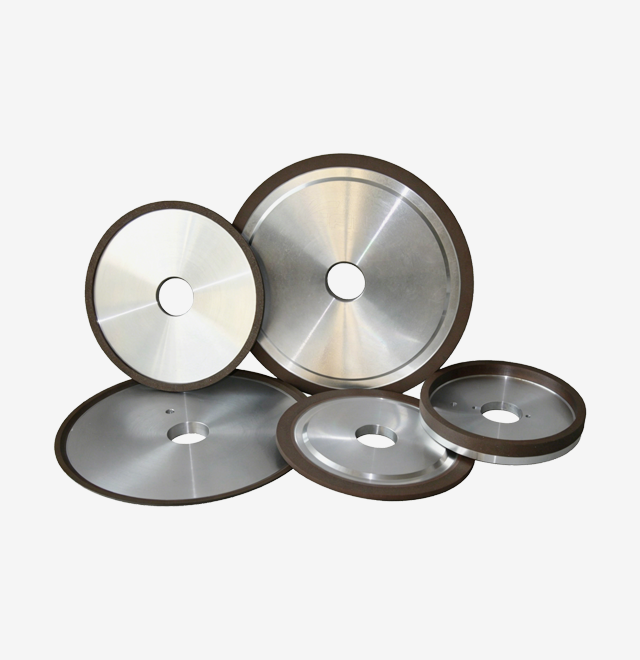
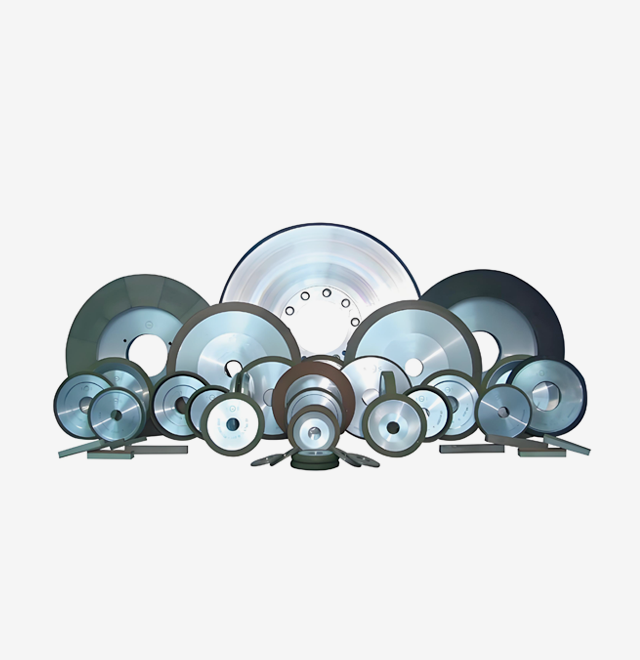
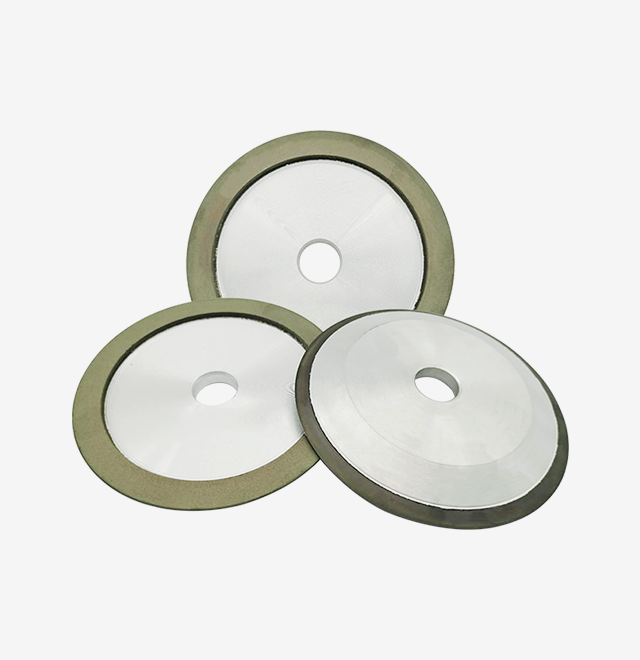
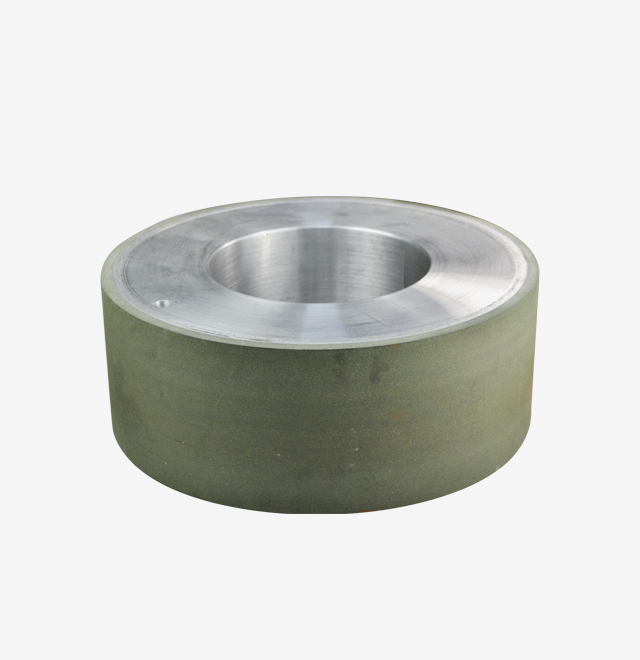
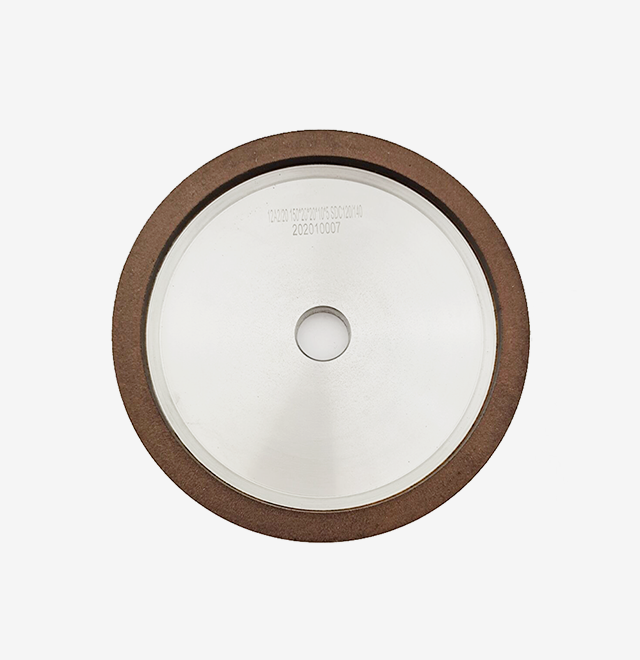
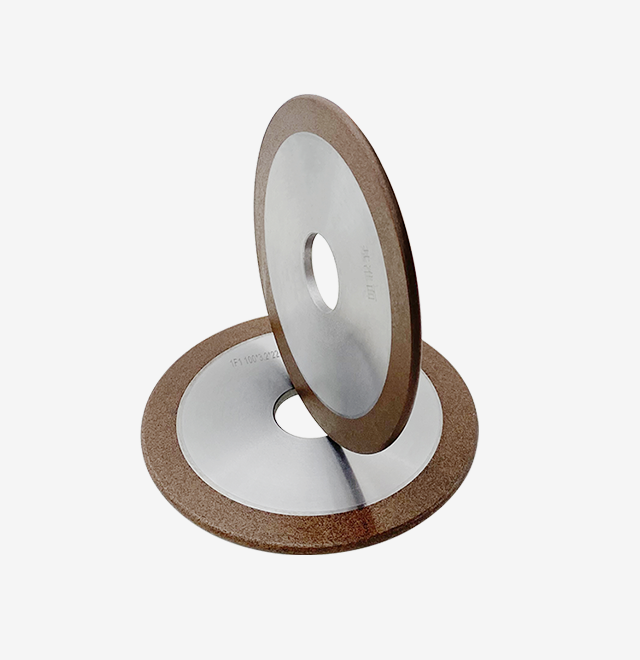
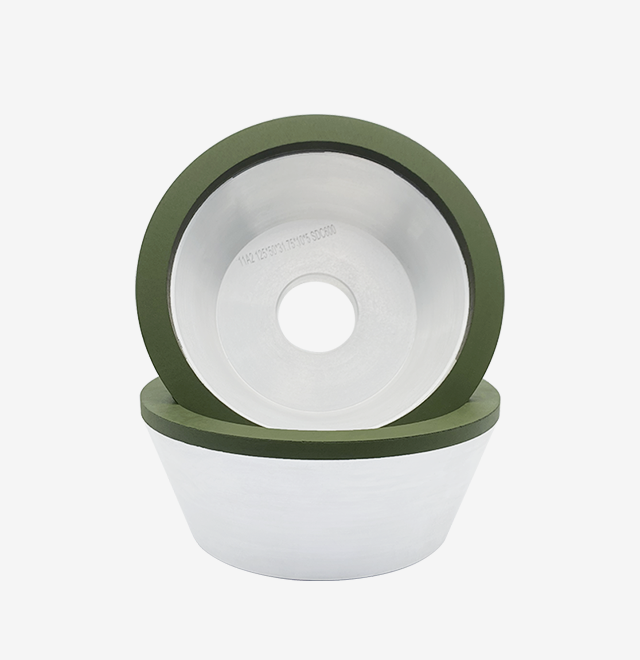
Diamond Surface Grinding Wheels
2. Application: Rough & finish grinding of tools, measuring tools, molds, cutting tools
3. Advantage 1 Toughness & Impact: Good toughness, high impact resistance
4. Advantage 2 Cutting: Excellent cutting performance for molds & measuring tools (rough/finish)
5. Advantage 3 Dressing & Shape: Easy dressing, suitable for complex shapes
6. Advantage 4 Polishing & Finish: Good polishing effect, ideal for high surface finish
7. Limitation Heat & Stability: Poor high-temperature resistance (softens); low thermal stability (aging affects life)
- Product Description
Diamond Surface Grinding Wheels - Precision Resin Bond Tools for Superior Finishing
Our Diamond Surface Grinding Wheels from Henan Me We Products Co., Ltd. are engineered with advanced resin bond technology for versatile performance. With over 10 years of manufacturing expertise, we've perfected grinding solutions that offer excellent cutting performance and superior surface finishing. These wheels feature good toughness with high impact resistance, making them ideal for rough and finish grinding applications. They're easy to dress for complex shapes and deliver exceptional polishing effects for high-quality surface finishes—all while maintaining cost-effectiveness.
Technical Specifications
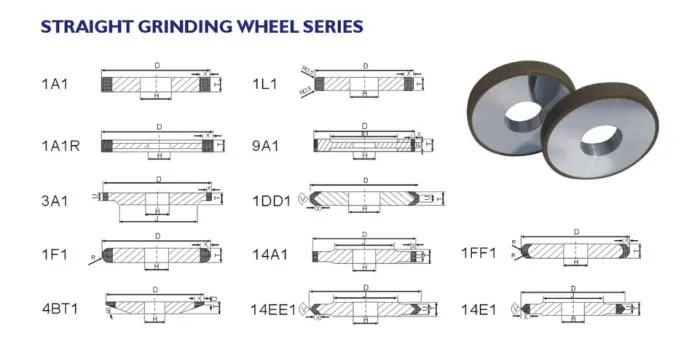
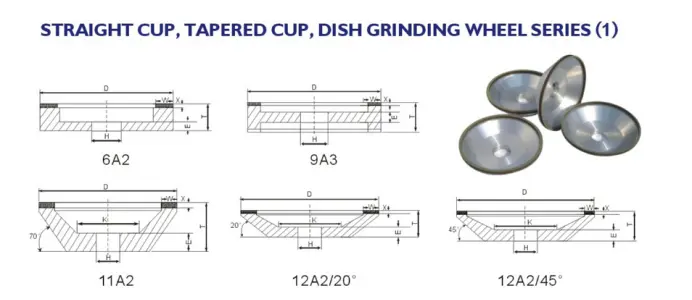
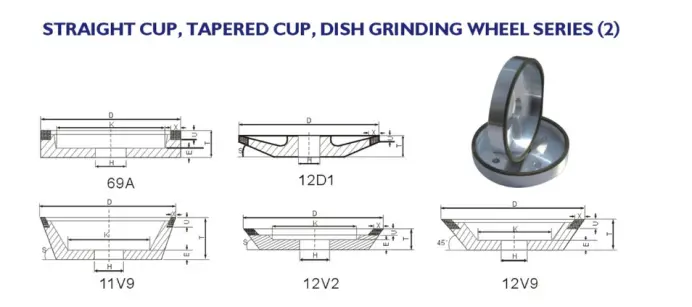
Why Our Resin Bond Diamond Wheels Stand Out?
Exceptional Toughness and Impact Resistance
You require devices that can handle requesting pounding assignments without breaking down. Our wheels are built with predominant sturdiness that retains stun amid operation. This implies less wheel disappointments and more reliable comes about in your generation line.
Outstanding Cutting Performance
Whether you're working on molds, measuring apparatuses, or cutting instruments, these wheels provide. The tar bond lattice gives the right adjust of hold and discharge. Your rough grains remain sharp longer, giving you cleaner cuts and speedier fabric evacuation.
Easy to Dress for Complex Geometries
Complex shapes shouldn't be complicated to grind. Our Diamond Surface Grinding Wheels dress easily, allowing you to create and maintain intricate profiles. You can achieve precise contours on your workpieces without excessive wheel preparation time.
Superior Surface Finish Quality
When surface quality matters, these wheels shine. The fine-grit options combined with resin bond flexibility produce excellent polishing effects. You'll achieve mirror-like finishes that meet the strictest quality standards in tool and die manufacturing.
Cost-Effective Solution
Compared to vitrified bond alternatives, our resin bond wheels offer significant cost savings. You get professional-grade performance without the premium price tag, making them perfect for both high-volume production and specialized applications.
Primary Applications
Our wheels excel in precision grinding environments where you need both flexibility and finishing quality:
- Tool Manufacturing: Grinding cutting tools with precision edges
- Measuring Tools: Achieving exact dimensions and smooth surfaces
- Mold and Die Work: Both roughing and finishing operations
- General Machining: Versatile grinding across various hard materials
Important Usage Considerations
Temperature Limitations
Gum bonds have lower high-temperature resistance than ceramic bonds. The bond may mollify at raised temperatures. We prescribe satisfactory coolant stream amid operation to oversee warm effectively.
Thermal Stability
Long-term introduction to warm cycles can cause bond maturing. This may continuously influence wheel life. Legitimate capacity in climate-controlled situations makes a difference keep up wheel integrity.
Loading Prevention
Like most gum bond wheels, these can encounter stacking with certain materials. Customary dressing and fitting coolant choice minimize this issue and keep up crushing effectiveness.
Application
Rough and finish grinding of tools, measuring tools, molds, and cutting tools.
Feature
1.Good toughness and high impact resistance.
2.Excellent cutting performance, suitable for rough and finish grinding of molds and measuring tools.
3.Easy to dress, meeting the requirements for processing complex shapes.
4.Good polishing effect, ideal for applications requiring a high surface finish.
5.Lower cost (compared to vitrified bonds), offering high cost-effectiveness.
Limitation
1.Poor high-temperature resistance, prone to softening as temperature rises.
2.Low thermal stability; long-term use may lead to aging, affecting service life.
3.Prone to clogging, which may impact grinding efficiency.
FAQ
Q: How do I select the right jewel or CBN crushing wheel for my application?
A: To offer assistance you select the right wheel and dodge wasteful pounding or pointless costs, it would be ideal if you give these key details:
① Workpiece fabric: What are you crushing? Illustrations incorporate cemented carbide, high-speed steel, form steel, solidified steel, stainless steel, titanium combination, ceramics, glass, or PCD/PCBN tools.
② Workpiece measurements: Breadth, length, divider thickness, and crushing stock/allowance.
③ Hardness some time recently crushing: For illustration, HRC 45, HRC 60, etc.
④ Handling necessities: Are you roughing, semi-finishing, or wrapping up? What surface harshness do you require? What are your dimensional tolerances?
Q: Does my current gear and handle too influence wheel selection?
A: Completely. Giving these subtle elements makes a difference our engineers coordinate the most appropriate wheel:
Grinding process & equipment: Machine brand and model, maximum spindle speed, grinding method (external/internal cylindrical, surface, centerless, etc.), dry or wet grinding, depth of cut, and feed rate.
Current issues & goals: What problems are you experiencing? Low efficiency? Clogging? Burning? What's your primary optimization goal?
Wheel interface & dimensions: Shape requirements, mounting dimensions, and whether you need dressing tools.
Q: Why does my grinding wheel feel like it "won't cut" and has very low efficiency?
A: Several factors can cause this:
① Wrong abrasive type: Using diamond on ferrous metals causes chemical reactions that dull the wheel quickly.
② Incorrect wheel hardness: Wheels that are too hard won't release dull grains.
③ Disgraceful nourish rate: As well light avoids compelling cutting; as well overwhelming produces intemperate heat.
④ Wheel stacking: Metal chips clog the working layer, particularly with stainless steel or titanium.
⑤ Coolant issues: Inadequately stream or off-base coolant sort raises crushing zone temperature.
Q: My wheel is clogged and gloomy – what ought to I do? How do I dress it?
A: In spite of the fact that superabrasive wheels have a few self-sharpening capacity, they still require intermittent dressing:
① Truing/shaping: Utilize a jewel dressing device to expel the dulled layer and reestablish exact geometry.
② Sharpening/conditioning: For single-point jewel dressers, mount at a 10–15° point and dress damp with coolant.
Q: Why are my workpiece measurements or precision conflicting amid clump grinding?
A: Dimensional precariousness regularly joins to wheel wear and dressing frequency:
① Wheel wear: Quick or uneven wear influences nourish precision amid nonstop grinding.
② Moo dressing recurrence: Gloomy wheels move the real crushing point, causing dimensional blunders. Set a customary dressing plan to keep up steady execution.
Ready to Improve Your Grinding Performance?
Get professional guidance on selecting the perfect Diamond Surface Grinding Wheels for your application. Contact us today at elena@mine-tools.com for technical support.

USER EVALUATE
Here is the customer's evaluation of us