_1780459041732.webp)
Steel Body or Matrix Body: Which PDC Bit Is Right for Your Drilling?
Picking between Steel body PDC bits and Matrix body PDC bits is a very important choice that drilling engineers and procurement managers have to make when they are working with difficult formations. The Matrix body PDC bit turns out to be the best choice for working with rough, hard rock forms that need long-lasting performance. These bits are made of tungsten carbide hybrid materials and have polycrystalline diamond cuts that give them high wear resistance. They can reliably drill through rock at rates that break down regular tools quickly. Knowing the technical and financial differences between these two bit constructions helps you make better purchasing choices that lower costs per meter and improve operating efficiency.
Understanding Steel Body and Matrix Body PDC Bits
Manufacturing Process and Material Composition
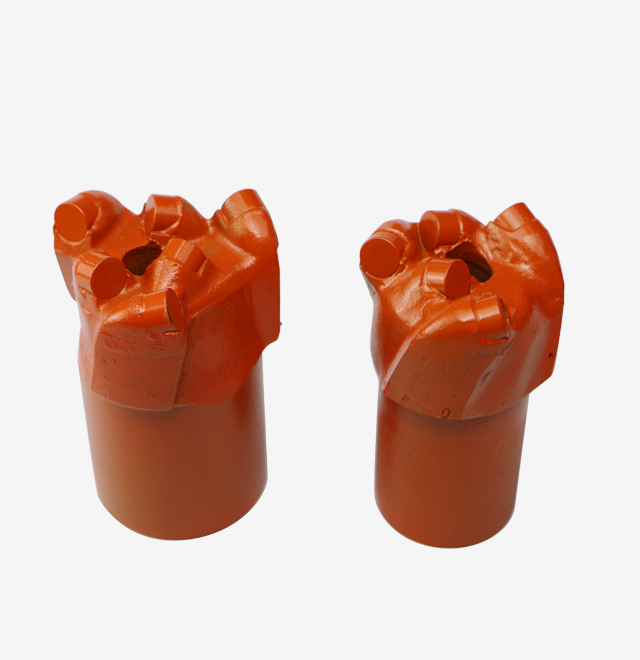
Steel body PDC bits have cuts that are manually pressed into holes that have already been made in the medium-carbon steel cores. To keep the crown area from wearing down, it is hardened with layers of tungsten carbide. This simple method of making bits works well enough in mild drilling conditions, but it's not very good at keeping the cutter in place and resisting wear.
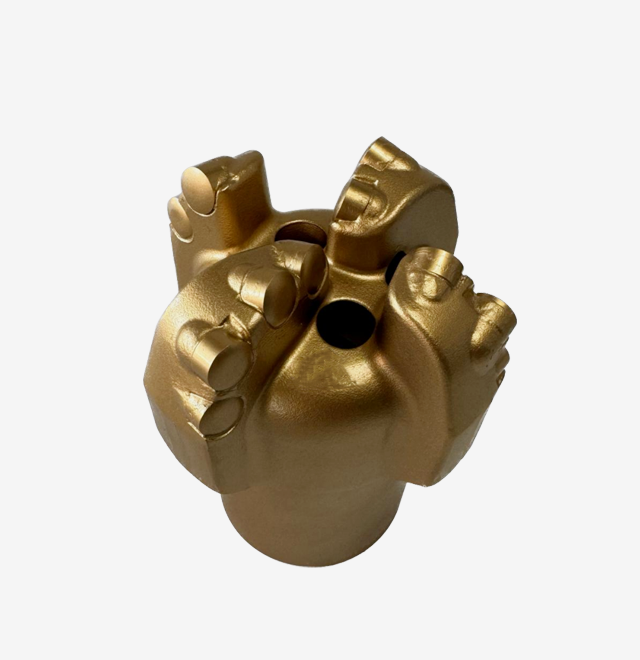
Matrix body PDC bit construction is very different from other methods. We made these bits by casting tungsten carbide powder that was metallurgically joined with metal binders. This made the bit body have a hybrid structure. This way of making things spreads wear-resistant material evenly, not just on the surface. This gives better security against rough formations that wear down steel-bodied options.
Structural Design Characteristics
The anatomical benefits of Matrix body PDC bits go beyond the makeup of the materials. The tungsten carbide matrix is a great thermal conductor, so it gets rid of the heat that is generated during drilling better than steel. This ability to control temperature is very important in areas with a lot of impact, where friction can cause things to break down too soon. The matrix structure also soaks up vibrations that would otherwise travel through the drill string. This keeps the bit and other equipment from being damaged by the waves.
For example, field workers can replace old cuts in some situations with Steel body PDC bits because they are easier to fix. But this benefit goes away when the bit wears away, which happens a lot in rough forms. Matrix body PDC bit designs give up the ability to be fixed in the field, but they provide constant performance over long service intervals, which cuts down on the downtime that comes with changing bits often.
Performance and Application: Which Bit Works Best Where?
Drilling Efficiency in Different Geological Conditions
When drilling in soft to medium-hard rocks with mild abrasivity, Steel body PDC bits work best because they offer good entry rates at a lower cost. In situations where wear rates are reasonable, these bits work well in shale, soft sandstone, and limestone. When working in known geographic conditions with easy access to bit repair choices, drilling companies often choose alternatives to steel bodies to save money up front.
Matrix body PDC bit technology is the only way to make hard, rough forms last. Granite, quartzite, hard sandstone, and broken rocks high in silica wear down Steel body PDC bits quickly, which shortens the time they can be used for drilling and makes them trip more often. Matrix body PDC bits keep their structural integrity and cutting efficiency even in these tough conditions, which means that more footage is cut per bit.
Rate of Penetration and Service Life
How fast something goes through depends on how exposed the cutter is, how the bit works, and how the shape is made. Matrix body PDC bits often have better ROP in rough rock because the cuts stay in the right place while the matrix wears evenly around them. At first, Steel body PDC bits may drill fast, but their performance decreases as the softer body material wears away, making the cutter less stable and less effective.
Comparing service lives shows that the Matrix body PDC bit design is more cost-effective in tough situations. Steel body PDC bits may be cheaper at first, but they cost more in the long run because they wear out faster in rough rock. Matrix body PDC bits can do more than one run in hard rock, while steel bits would need to be replaced every time they reached a certain point. This changes the cost-per-meter calculations that are used to make buying choices.
Maintenance and Wear Pattern Analysis
Patterns of wear can help you decide which bits are best. Around jet nozzles and the bit shoulder, where fluid speeds and formation contact get stronger, Steel body PDC bits usually show faster corrosion. When buying teams see early steel body failures in certain forms, switching to Matrix body PDC bits can often fix these problems.
Over the course of their service life, Matrix body PDC bits keep their dimensions stable and show more uniform wear. This expected wear behavior makes it easier to optimize drilling parameters and lowers practical error. Matrix body PDC bit maintenance procedures stress proper cleaning and inspection over replacing parts. This makes field operations easier in rural areas where repair options may be limited.
Cost, Life, and Procurement Considerations
Total Cost of Ownership Analysis
If a purchasing manager is used to only looking at unit price, they might not like Matrix body PDC bits at first because they cost more. A full total cost study, on the other hand, shows a different economic truth. Matrix body PDC bits often have lower overall drilling costs in rough rocks when we look at cost per meter bored, bit life, entry rate, trip time, and operating efficiency.
Steel body PDC bits are popular with companies that are trying to save money and drill in good natural conditions where their limits can still be handled. Steel body options may make sense for projects with short drilling gaps, soft rocks, or limited access to capital. Understanding the operating setting where each bit type provides the best value stops buying choices from being too specialized or too cheap.
Customization and Technical Support
These days, drilling needs bits that are made to fit the geology and the power of the rig. With sizes ranging from φ46 to φ120 mm and the ability to make bits based on customer models, our Matrix body PDC bits can be changed in a lot of ways. This design freedom makes sure that the best rock fit is achieved when digging for coal seams, mine research, water wells, or geothermal projects.
The ability to provide technical help is what sets key partners apart from basic providers. We carefully look at target drilling sites, checking the type of rock, how hard it is, how brittle it is, how the fractures are distributed, and how much clay is in it. This helps us suggest bit configurations that work reliably in difficult geological conditions. This consultative approach includes evaluating the working conditions, such as the type of rig, the power and torque that are available, and the cooling methods that are used to make sure that the exact application is suitable.
Supply Chain and Delivery Reliability
Unexpectedly, project timelines often get squished, causing urgent bits that need to be addressed to make supply chains work harder. Our normal production wait time for regular goods is 7–10 days, which fits with most buying processes. Our inventory management services help clients who need products right away. This fast delivery, along with partnerships with foreign companies that offer door-to-door service, lowers the organizational confusion that can cause important digging operations to be delayed.
Compliance with ISO 9001 gives buying managers the quality guarantee they need when they are reviewing sellers. This international standard approval makes sure that the manufacturing processes, paperwork methods, and quality control standards are all the same. This keeps you from having the expensive problems that come with using drilling goods that aren't up to par. Verification of seller certificates should always be a requirement for buying things, even if it costs more.
How to Choose the Right PDC Bit for Your Drilling Needs
Formation Evaluation Framework
A careful study of the creation is the first step in choosing the right bit construction. Engineers who are drilling should describe target rocks based on how hard, abrasive, stable, and difficult they are likely to be to drill. When the formations are soft, steady, and low in silica, they almost never need a Matrix body PDC bit. On the other hand, when the formations are hard, broken, or very rough, they almost always do.
Formation variability within a drilling project complicates bit selection. When drilling patterns change from soft waste to hard basement rock, buying teams have to decide whether to use a mix of bit types or pick a design that works for everyone. Matrix body PDC bits with appropriate cutter configurations can often handle formation transitions more effectively than Steel body PDC bits, which lowers the number of trips and makes operations easier.
Budget and Performance Trade-offs
Budget concerns are valid when buying things, but short-term savings that raise the total cost of drilling hurt the project's economy. When procurement managers are looking at bit choices, they should make plans that compare the original investment, the expected area, the expected uptake rates, and the trip costs. This way of looking at things shows the level of spending at which premium bit technology gives a good return on investment.
Performance priorities vary across applications. Aggressive Matrix body PDC bit designs that are designed for ROP help mining companies that want to get the deepest into good rock. For projects that need to precisely control the path of the drill bit, bit stability may be more important than pure drilling speed. In these cases, the Matrix body PDC bit design that keeps the gage constant and lowers deviations caused by vibrations may be preferred.
Decision Matrix Development
Systematic decision-making lowers the risk of buying. We suggest making a score grid that looks at the hardness, abrasivity, digging depth, price, and transportation needs of the rock. By giving each factor a weight based on the project's goals, you can make quantitative bit selection advice that can stand up to organizational review and give a good reason for design choices.
Field testing in the real world is still useful, even when the analysis is very thorough. As a part of progressive buying strategies, Matrix body PDC bits are tested in pilot programs on representative formation samples before large purchases are made. This empirical method boosts organizational trust and collects performance data that is specific to working conditions. This helps organizations make smart choices about growing up.
Future Trends and Innovations in PDC Bit Design
Advanced Materials and Manufacturing Technologies
Advances in materials science keep making PDC bits work better. Better carbide mixes make the Matrix body PDC bit tougher without lowering its resistance to wear. This solves the problem of tungsten carbide composites breaking easily, which has been a problem in the past. These new materials make it possible for Matrix body PDC bits to work in a wider range of conditions.
Even though additive manufacturing is still new in PDC bit production, it promises to give designers more freedom than ever before. When you remove the limitations of traditional casting, you can make complex internal shapes that improve fluid flow and weight distribution. As these technologies get better, you can expect personalized Matrix body PDC bits that are made to fit more and more specific physical and operating conditions.
Cutter Technology Evolution
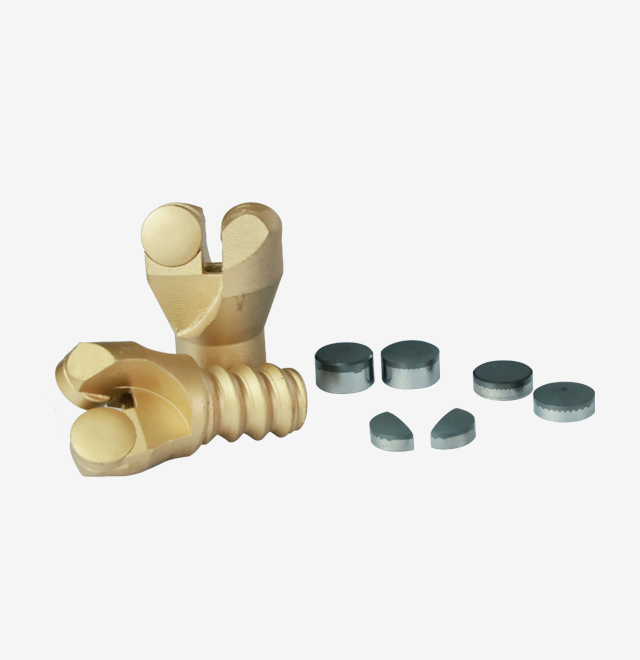
Matrix body PDC bit development is similar to PDC cutting development. Better thermal stability means that cuts can handle higher temperatures without breaking down. This is especially useful in geothermal and deep wells. Cutting tools made with advanced diamond synthesis methods have qualities that are just right for each application. These properties include wear resistance, impact strength, and heat conductivity.
Five-blade Matrix body PDC bit shapes are one way that new ideas are being developed right now. They balance strong cutting action with structural safety. The extra blade makes the cutter denser without lowering the hydraulic efficiency. This increases the rate of entry while keeping the directional stability needed for complicated drilling jobs. Our tech team is always coming up with new configurations to solve new problems in the field.
Sustainability and Lifecycle Considerations
Environmental awareness is becoming more and more important in purchasing choices. To help reach environmental goals, Matrix body PDC bits have longer service lives, which means they use less material and make less trash when they need to be replaced more often. Less frequent trips mean less fuel use and pollution, which is in line with the company's environmental goals for drilling activities.
When considering bit options in a lifecycle study, the effects on production, working efficiency, and disposal at the end of life should all be taken into account. Even though there isn't a lot of complete data yet, the fact that the Matrix body PDC bit structure is more durable says that it will have good lifetime patterns in the right situations. Companies that use procurement policies that take environmental factors, technical factors, and economic factors into account will be in a better position as legal frameworks change.
Conclusion
When picking between Steel body PDC bits and Matrix body PDC bits, you have to think about how the formation works, your tactical goals, and your budget. The tungsten carbide composite's toughness, long service life, and uniform drilling efficiency make Matrix body PDC bit design the best choice for hard, gritty rocks. Steel body PDC bits are still a good choice for softer forms because they are cheaper and easier to fix. To make good buying choices, you need to do a thorough study of the creation, a full modeling of the costs, and work together with sellers who can offer specialized knowledge, the ability to customize, and reliable delivery. Matrix body PDC bits represent the technology investment that reduces cost per meter while also making operations more reliable as drilling projects get more complicated and performance standards rise.
FAQ
What determines the appropriate bit body type for my drilling project?
Bit body choice is mostly based on formation strength and abrasivity. Formations with a lot of quartz, granite, or hard rock quickly wear down Steel body PDC bits. This is why Matrix body PDC bit construction is more cost-effective in the long run, even though it costs more at first. If the rock is soft and doesn't scratch easily, it might not be worth investing in a Matrix body PDC bit unless there are other reasons, like the need for directed drills or long-reach uses, that make the sturdiness better.
Can matrix body PDC bits be repaired in the field?
Unlike Steel body PDC bits, where it is sometimes still possible to replace the cutter, Matrix body PDC bits usually can't be fixed in the field. The tungsten carbide matrix holds the cuts together during production in a way that makes field service impossible. Even though it can't be fixed, this limitation is balanced by the fact that it has a much longer service life in rough rocks, which lowers the total maintenance load and downtime.
How do I calculate whether the premium matrix body bits justify their higher cost?
To find the total cost per meter, divide the bit cost by the expected length. Then, add the trip costs, which are based on the rig's day rate and the number of trips that are expected. When trip time costs are taken into account in a full economic analysis, Matrix body PDC bits that drill 500 meters at a premium cost often have a lower cost per meter than Steel body PDC bits that drill 150 meters at a standard cost.
Partner with Me We for Optimized Drilling Performance
To choose the best drilling option, you need more than just product understanding. You also need a manufacturing partner that cares about your business's success. We are experts in making high-performance Matrix body PDC bits that are used in coal mining, mining research, water well development, geothermal projects, and geological surveying. Our tungsten carbide composite bits have PDC cuts that are very resistant to wear and have a high impact toughness. This gives them a longer service life in tough rocks that are hard for regular tools.
Our expert team is here to help you every step of the way during the buying process. They will look at your physical conditions and working factors and come up with perfectly made bit designs. We get rid of the doubt that hurts drilling efficiency by being ISO 9001 certified, being able to make things to order, and delivering within 7–10 days. Email our team at elena@mine-tools.com to talk about your project needs with experienced engineers who know what drilling operations need to do to meet today's performance standards. Find out why top contractors choose Me We as their reliable source for Matrix body PDC bits.
References
1. Bellin, F., and Doiron, H. H. (2020). "PDC Bit Technology for the 21st Century." Society of Petroleum Engineers Technical Publications.
2. Chen, S., and Tang, J. (2019). "Comparative Analysis of Steel Body and Matrix Body PDC Bits in Hard Rock Drilling." International Journal of Mining Engineering and Mineral Processing, 8(3), 45-62.
3. Durrand, C. J., Skeem, M. R., and Crockett, R. B. (2018). "Super-hard Cutter Technology Improvements for PDC Bits in Hard Rock Applications." American Association of Drilling Engineers Conference Proceedings.
4. Hibbard, S., and Davenport, C. (2021). "Cost-Benefit Analysis of Premium PDC Bit Technology in Challenging Formations." Journal of Petroleum Technology, 73(6), 34-41.
5. Ledgerwood, L. W. (2019). "PDC Bit Performance Optimization Through Formation-Specific Design." SPE Drilling & Completion, 34(2), 112-128.
6. Zhang, W., and Ma, Y. (2022). "Advanced Manufacturing Techniques for Matrix Body PDC Drill Bits." Materials Science and Engineering: A, 834, 142-156.

USER EVALUATE
Here is the customer's evaluation of us