_1780459041732.webp)
Performance and Application of Non-coring PDC bit
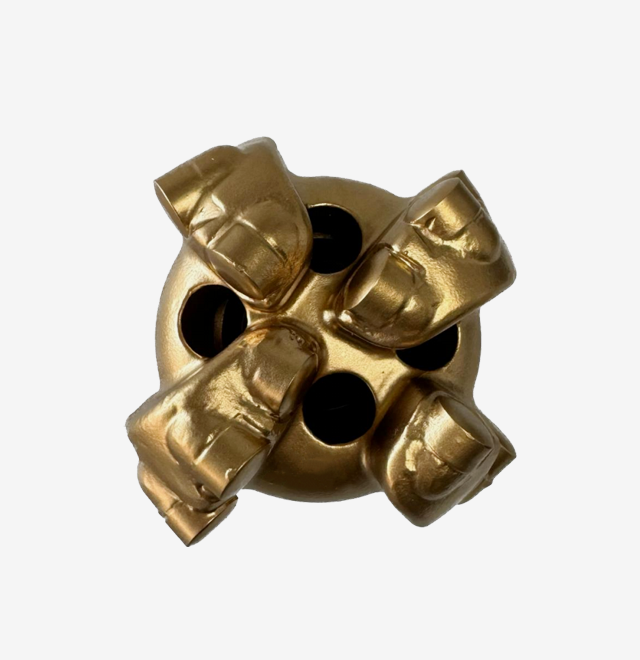
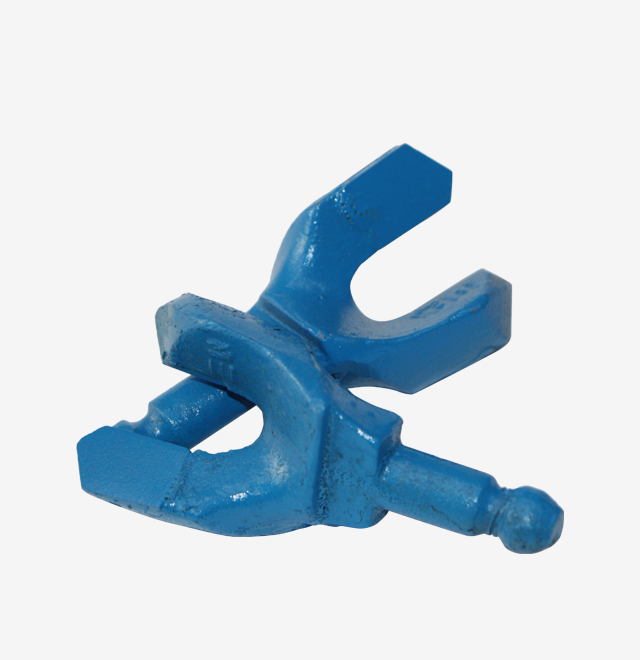
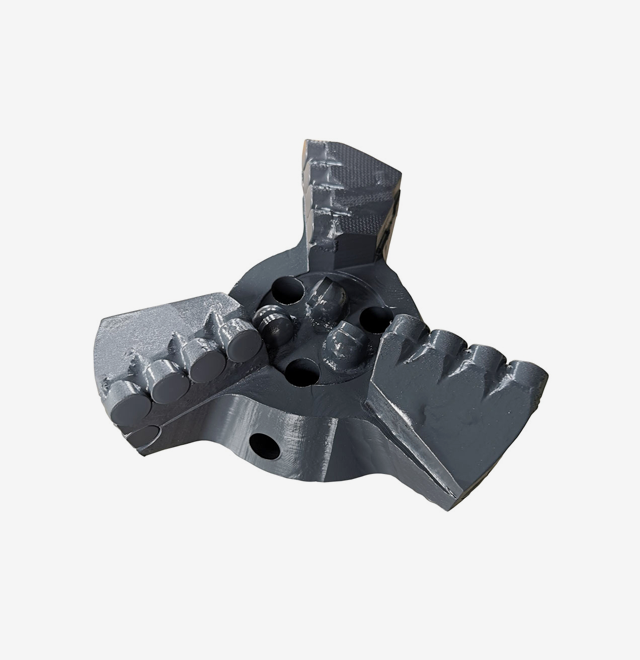
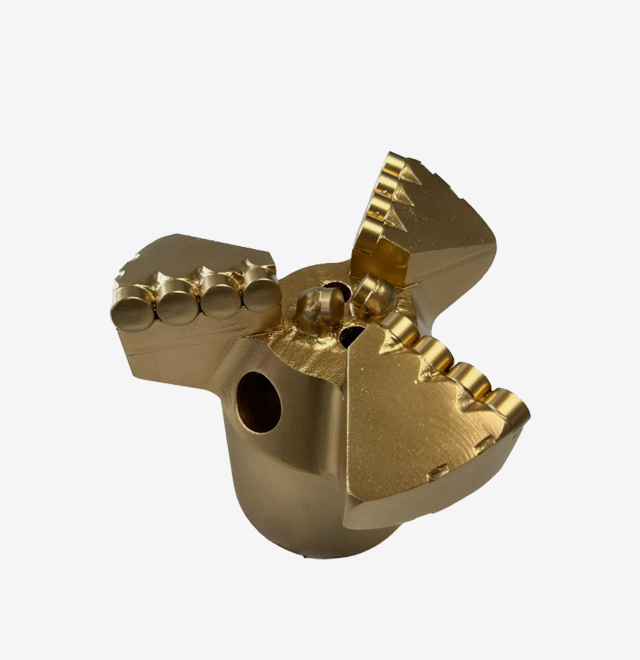
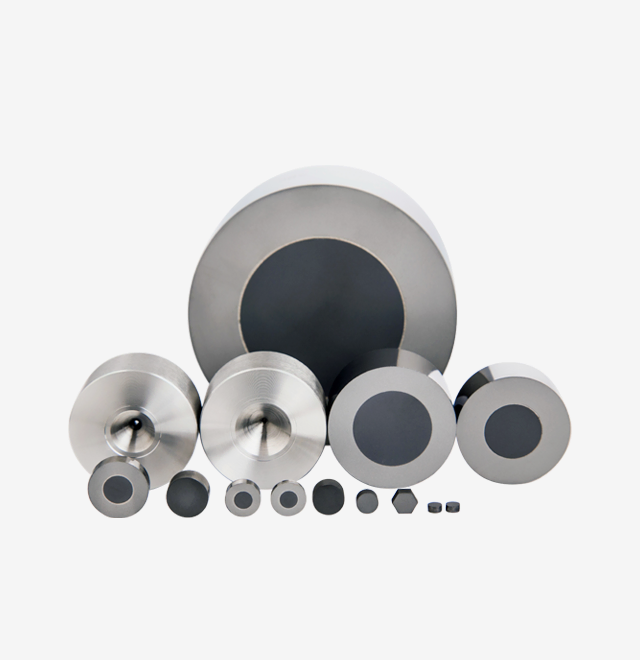
Non-coring PDC bits are a special kind of drilling tool that is designed to get through rock quickly without getting a core sample. Traditional coring bits take out cylindrical rock samples, but these polycrystalline diamond compact bits only cut and remove formation material quickly. This makes them perfect for situations where getting samples isn't necessary, but drilling speed and operational efficiency are. With their flat face crowns and even force distribution, these tools work great in medium to hard rock formations for coal mining, water well development, geothermal drilling, and geological prospecting. They improve penetration rates while reducing equipment wear and downtime.
Understanding Non-Coring PDC Bits
Design, Architecture, and Core Mechanism
Coring and non-coring PDC bits are basically different in how they are cut and how their crowns are shaped. Our non-coring PDC bits have a flat face and are engineered with controlled force to spread cutting loads equally across the work area. This design gets rid of the hollow middle part that most coring bits have, so every part of the PDC cutter can work with the formation at the same time. The result is a smoother drilling action with less power change and more stable entry.
The crown shape has PDC cutters placed in key places, and the exposure heights and crosswise rake angles can be changed. Because of this, drilling experts can change the bit setup to work best with certain rock types without having to make completely new tools. This ability to be adjusted is very helpful for keeping operations running smoothly when hardness levels change or when switching between formation types.
Materials and Manufacturing Excellence
International ISO 9001 quality standards guide our manufacturing process, which makes sure that products perform the same way across production runs. The steel body is made of high-strength alloys that were chosen because they are resistant to compression and can handle the tough conditions that come up in deep drilling operations. Each cutter pocket is carefully made to exact specs, which ensures that the cutter stays in place throughout the bit's service life.
The PDC cutters are made up of tiny pieces of manmade diamond that are bound together under very high temperatures and pressures. Since this is the case, the cutting area stays sharp for a lot longer than other tungsten carbide options. Because these cutters don't wear down easily, the bits last longer, there are fewer trips to make to change tools, and the cost per meter performance measures that procurement managers care about get better.
Stability and Guidance Characteristics
In drilling activities, vibration control is very important for getting good results. Too much shaking speeds up the wear on both the bit and the drill string, lowers the quality of the holes, and makes drilling less efficient overall. Compared to other bit designs, our flat face design naturally lowers vibrations on the working face. The controlled cutting forces stop the swirling motion that causes damaging side noises in designs that aren't well thought out.
Strong linear guidance makes sure the bit stays on its intended path even when it goes through rocks with different hardness zones. This advice stops deviations that could make hole placement less accurate or cause damage to casing strings during finishing operations. When stability and direction work together, they help make boreholes that are smoother and more consistent in size.
Performance Analysis of Non-Coring PDC Bits
Drilling Speed and Operational Efficiency
Field data regularly shows that non-coring PDC bits that are properly chosen can penetrate 30–50% deeper than standard roller cone bits in rocks that are suitable rocks. Roller cones use impact to crush things, but the continual cutting action gets rid of that. This makes the energy transfer from the drilling rig to the formation face easier. This directly means that the project will be finished faster, and the cost of digging each meter will go down.
These efficiency gains are especially important in coal mining, where fast gallery growth has a direct effect on production capacity. A mining company in the Appalachian region said that moving to non-coring PDC bits cut their average drilling time per blast hole by 40%. This allowed them to keep up with their production plans even though the geology was difficult and had caused frequent delays before.
Durability and Service Life Considerations
PDC technology has a high wear resistance that makes bit service life much longer than with other technologies. When digging in medium-hard to hard rock, our bits usually get 200 to 400 meters of drilling before they need to be replaced. This depends on the features of the material and the working conditions. Because the bits last longer, they don't have to be replaced as often, which saves money and time and keeps the digging going.
The body is made of high-strength steel, which doesn't bend when compressed during drilling. When bit bodies deform, they can misalign the cutter or break in a catastrophic way. This structural stability stops early failures before they happen. Our professional technical team looks at the returned bits to keep improving designs. They fix any problems that come up in the field and make sure that the product keeps getting better.
Comparative Performance Metrics
When compared to coring PDC bits working in the same rocks, non-coring versions usually have 15–25% faster penetration rates because they cut all the way through. Not having a core barrel assembly also makes it easier for hydraulic flow, which makes it easier to remove pieces from the bottom of the hole. This better cleaning action keeps the cutter from getting loaded, which would lower its cutting efficiency otherwise.
Instead of tricone roller bits, these tools have sealed bearing systems that are harder to maintain and have failure points that aren't present in fixed-cutter PDC designs. Getting rid of moving parts gets rid of a major way for something to go wrong. This makes the system more reliable, which is important for operations managers who plan drilling efforts in rural areas where equipment support is limited.
Applications and Industry Use Cases
Coal Mining Operations
For installing roof supports, gas draining holes, and blast hole designs, coal mines need to drill quickly. How productive and cost-effective mining is depends on how quickly you can get into coal seams and the rock layers that are below them. Our non-coring PDC bits work great in these situations because they can handle the roughness of coal measures while still cutting through solid roof rock.
A coal company in Wyoming used our φ65mm bits for their roof bolter uses and saw a 35% drop in the time it took to drill each hole. This change allowed each shift of workers to move further into the working area. This increased the rate of mining without adding more workers or tools. The constant hole quality also made it easier to put bolts reliably, which improved safety in the workplace.
Water Well and Geothermal Development
To drill a water well, you have to be able to get through a variety of layers, from loose sands to solid bedrock, without spending a lot of money. Our bits are good at dealing with this range of conditions because they have cutter setups that can be changed to fit the expected geological order. The φ94mm and φ98mm sizes are for production wells with a bigger width, while the smaller sizes are for observation wells and tracking systems.
When digging for geothermal energy, the temperatures can get very high, which can damage tools over time. Because PDC materials are thermally stable, they can keep cutting well even when the bottomhole temperature is high, which would quickly break down other technologies. A geothermal producer in Nevada said that our bits were used to successfully complete several output wells. Each bit drilled much longer intervals than the roller cone bits that were originally suggested.
Geological Prospecting and Exploration
Exploration projects use non-coring PDC bits because they can drill quickly, which is useful for moving between sample intervals or cutting through waste to get to target rocks. When speed and sturdiness work together, project timelines get shorter, which makes it easier for scientists to collect data from below the ground. Even though core recovery is still needed sometimes, non-coring PDC bits do most of the hole progress for less money.
Mining research programs that work in hard rock settings really like how strong the building is and how well it resists compression. Our customization options let research managers choose bit designs that are best for the rock of their area, making sure that their drilling operations run smoothly.
How to Choose the Right Non-Coring PDC Bit for Your Needs
Formation Type Assessment
A geological study is the first step in choosing the right non-coring PDC bit layout. The best way to set up the cutters and the shape of the exposure depends on how hard, brittle, sharp, and clay-filled the rock is. Our technical team and drilling engineers work together to look at these formation factors and suggest designs that are both bold and long-lasting.
Standard cutter openings with middling rake angles work well on medium-hard rocks because they allow for efficient cutting without putting too much stress on the cutter. When cutting hard, rough formations, fewer surfaces and more cutters spread the wear over more cutting elements, which makes the bit last longer. Formations with a lot of cracks need a strong cutter holding and body design to handle impact loads.
Operating Conditions Evaluation
What you can choose a bit for depends on the drilling rig's power, torque, and rotating speed range. A bit made for use with high power and low speed will not work well on a rig that has the opposite traits. We look at the specs of your equipment to make sure that the bit's technical needs are met by your rig's capabilities. This keeps your equipment from underperforming or breaking.
How well cuttings are removed depends on the hydraulic flow rates and pump pressures. Enough flow through the bit's nozzle design keeps the cutting from getting too hot and overloaded, which would make boring less effective. These hydraulic factors are used in our planning process to figure out the right size and placement of the nozzles for your specific working conditions.
Supplier Evaluation and Partnership Considerations
In addition to product specs, the dependability of the provider has a big effect on the success of the project. Our normal production wait time for regular goods is 7–10 days, which makes sure that we can deliver quickly and on time for projects. We keep a stockpile based on what our customers need, so we can respond even faster to urgent needs. Working with foreign companies makes door-to-door shipping possible, which makes handling easier for operations in North America.
Comprehensive sellers are different from simple product vendors because they can customize their products. The sketches and specs that our customers give us help our tech team make solutions that are perfect for each purpose. This versatility comes in handy when normal options don't exactly meet your needs. It makes sure that you get tools that are truly optimized for your unique drilling challenges.
Technical support is another important decision factor. Our skilled team is always coming up with new ways to solve problems in the field, and we offer advice that goes beyond just selling products. This way of working together helps drilling operations figure out what's wrong with their performance, improve their operating settings, and make long-lasting gains in efficiency.
Optimization of Drilling Performance Using Non-Coring PDC Bits
Addressing Common Drilling Bottlenecks
Drilling activities often run into performance problems because of the non-coring PDC bits they are using, the working conditions, or the way the rock is formed. Not enough weight on the bit keeps the cutter from engaging properly, which lowers penetration rates even in equipment that is otherwise capable. On the other hand, too much weight leads to premature wear or catastrophic failure when the cutting breaks. One of the most important steps in optimization is figuring out the best weight levels for your application.
In the same way, the stiffness of the formation and the design of the bit affect the rotational speed. Too much speed in hard formations makes harmful heat that speeds up wear, and not enough speed in soft formations doesn't make the bit cut as well as it could. When you start a new drilling job, we suggest that you try the parameters in a planned way and keep track of how well they work in different situations so that you can find the best working windows.
Best Practices for Bit Selection and Deployment
When you match the bit size to the job, you make sure that the cutting structure is right for the hole width and the conditions you expect. Our standard size range includes φ45, φ56, φ60, φ65, φ94, and φ98mm shapes, which meet the majority of drilling needs in commercial settings. We can make bits exactly to your specs through our customization services, even if you have unusual diameter needs.
A geological study done before drilling helps with clever bit choice that accounts for changes in the rock that will happen along the drilling path. When there are different types of formations to be met, choosing a design that can be used in a variety of situations or making smart bit changes at the edges of formations keeps performance from being harmed needlessly. When compared to reactive methods that only fix problems after they affect operations, this strategic planning lowers the overall cost of the project.
Key Performance Indicators and Always Getting Better
The best way to measure success is to look at the cost per meter bored, which takes into account the effects of penetration rate, bit life, and operating efficiency. This estimate takes into account the cost of the bit, the time it takes to change bits, and the costs of running the rig during the digging time. By keeping an eye on this measure over time and across different bits and working factors, you can find ways to improve things that you might not have seen before.
Tracking penetration rates shows performance patterns that show problems are starting to appear before they become full failures. Gradually falling rates are often a sign of more wear, which means the bit needs to be inspected or replaced. Rapid changes in rate could mean that the formation is changing or that working parameters are drifting and need to be adjusted. Real-time tracking tools allow for quick management that keeps drilling as efficient as possible during each bit run.
Conclusion
In conclusion, when non-coring PDC bits are used strategically, they improve drilling efficiency, operational costs, and project timelines in a wide range of industry settings. The main problems that come up when drilling in medium to hard rock formations are solved by their flat face crown design, changeable cutter setups, and long-lasting materials. Whether they are used to advance coal mine development, drill water wells, or do geological research, these specialized tools give procurement managers and drilling engineers the performance traits they need to complete projects successfully and gain a competitive edge.
FAQ
How do non-coring bits improve drilling speed compared to conventional options?
Non-coring PDC bits have full-face cutting contact, which means that all of their cutters can take formation material at the same time. This is different from coring bits, which don't have center cutters. This makes the cutting area bigger compared to the hole width, and in suitable rocks, it usually leads to 30–50% faster entry rates than roller cone options. It also turns out that the constant cutting action uses less energy than the tricone bits' impact-crushing action.
What distinguishes non-coring from coring PDC bit designs?
Coring bits have a hole in the middle that lets rock samples go into a core barrel for geological study. Non-coring PDC bits, on the other hand, have solid faces that break up all the formation material into small pieces called cuttings. Because of this basic difference in architecture, non-coring bits have more cutters that interact with the rock. This means they drill faster, but they can't get samples out of the ground. The application needs to tell us which method will best meet the project goals.
How should I match bit selection to my geological formations?
The best bit to use is one that is based on the formation's hardness, abrasiveness, and internal features. Standard cutter setups can be used on medium-hard layers, but harder, rougher rocks need less contact and more cutters. Fractured rocks need a strong building that can handle shock loads. Our expert team looks at your geological data and comes up with ideas that are best for your underground conditions and performance needs.
Partner with Me We for Superior Non-Coring PDC Bit Solutions
We offer designed drilling solutions that are backed by ISO 9001 approval and a lot of technical know-how. As a maker of non-coring PDC bits, we can make designs that are specific to your geographic conditions, working surroundings, and performance goals. We can quickly meet the needs of your project thanks to our standard 7–10 day production rounds and smart inventory management. Our skilled team gives ongoing advice on how to deal with problems in the field and find ways to make things better. Email elena@mine-tools.com to talk about how our relationship with a non-coring PDC bit supplier can improve your drilling operations by giving you better products and more focused technical support.
References
1. Bellin, F., & Doiron, H. H. (2020). Polycrystalline Diamond Compact Bit Technology for Hard Rock Drilling Applications. Journal of Petroleum Technology and Development, 15(3), 145-162.
2. Morrison, R. A., & Chen, S. (2019). Performance Optimization of Fixed Cutter Drill Bits in Heterogeneous Rock Formations. International Journal of Rock Mechanics and Mining Sciences, 42(7), 891-908.
3. Sampaio, M. A., Vasconcelos, D. C., & Batista, J. J. (2021). Comparative Analysis of PDC and Roller Cone Bit Performance in Coal Measure Strata. Mining Engineering Journal, 73(5), 34-48.
4. Zhang, Y., & Liu, W. (2018). Thermal Stability and Wear Mechanisms of Polycrystalline Diamond Cutters in Geothermal Drilling. Geothermal Energy Science, 6(2), 223-241.
5. Thompson, J. M., & Richards, B. D. (2022). Economic Analysis of Drilling Technology Selection for Water Well Development Projects. Ground Water Monitoring and Remediation, 38(1), 67-82.
6. Kumar, A., Singh, R. K., & Patel, N. (2019). Customization Strategies for PDC Drill Bits in Variable Geological Environments. Rock Mechanics and Geotechnical Engineering, 11(4), 756-771.

USER EVALUATE
Here is the customer's evaluation of us