_1780459041732.webp)
The Complete Guide to Steel body diamond drill bit
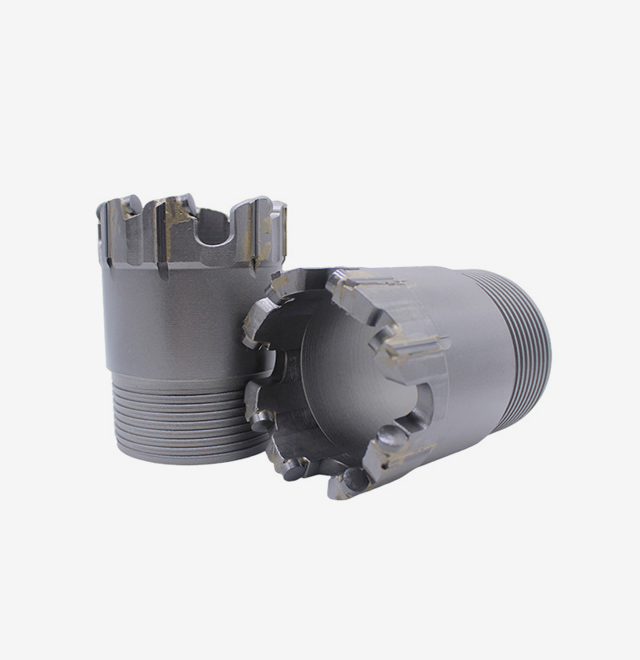
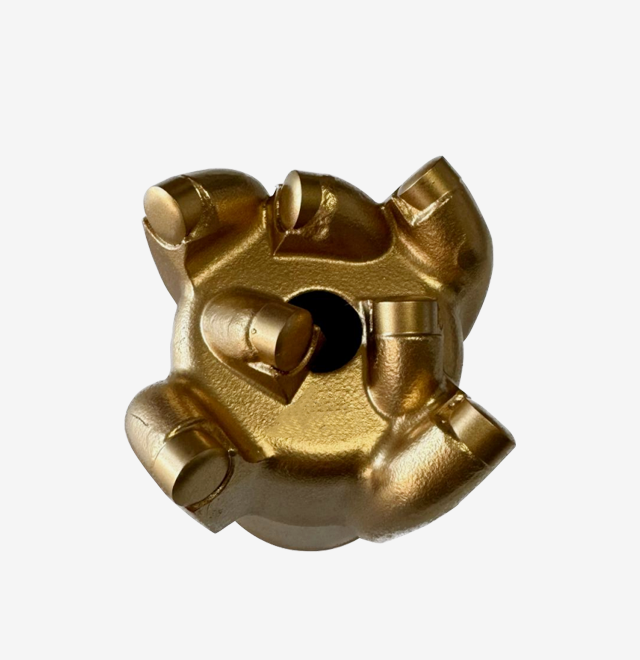
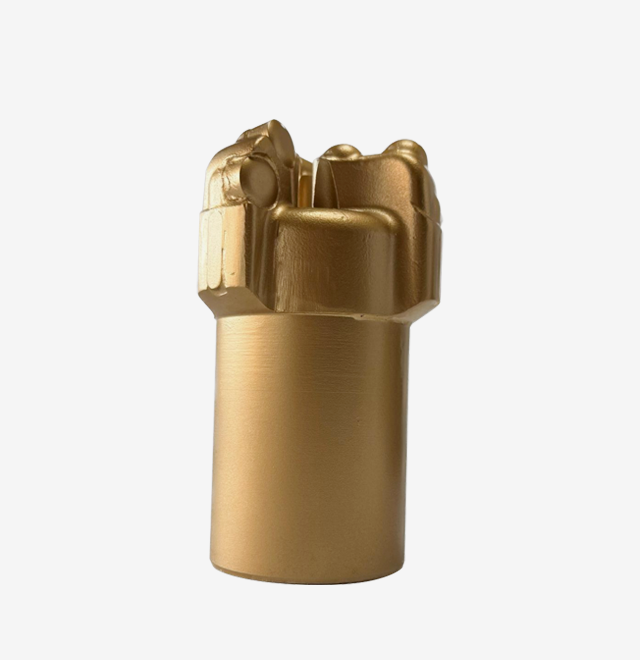
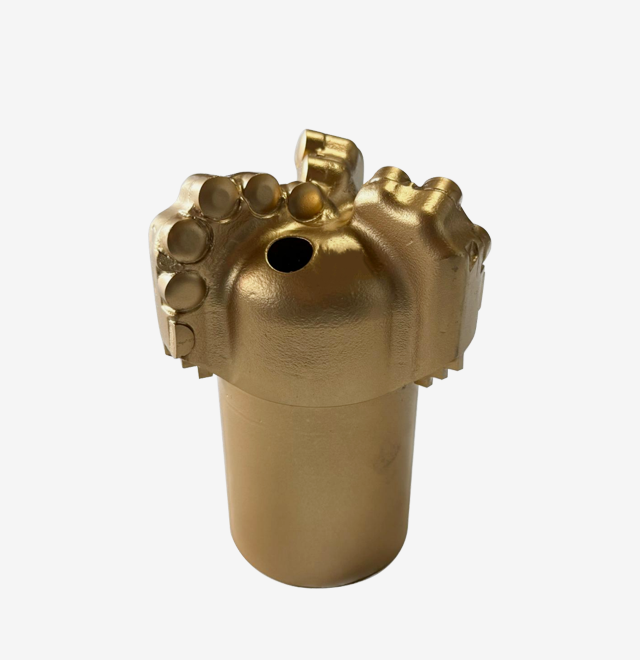
Steel body diamond drill bits are a major step forward in drilling technology because they combine the high-performance polycrystalline diamond compact (PDC) cutters with the strong toughness of medium-carbon steel. Pressing PDC cutters into precisely made holes in the bit body makes these tools. The crown surfaces are often strengthened with tungsten carbide layers to make them more resistant to wear. These bits are easier to make than matrix body options, but they work best in soft to medium-hard rock formations where they need to be flexible and absorb pressure. Because they are cheap and can keep up high entry rates, they are needed for all kinds of geological mapping, gas drainage, and coalfield research projects in North America.
Understanding Steel Body Diamond Drill Bits: Features and Working Principles
The basic idea behind these drilling tools is that the steel body structure and synthetic diamond technology work well together. High temperature and high pressure are used to make PDC material by melting tungsten carbide and synthetic diamond together. This makes cutting elements that are very hard and stable at high temperatures.
Construction and Material Science
Medium-carbon steel is used to make the bit body, which gives it the required structural strength while still allowing for some flexibility. This adaptability is very important when digging through natural conditions that are hard to predict and where hard stringers or broken zones show up out of the blue. The steel design protects both the cutters and the cutting tools above by absorbing and spreading shock loads. This is different from rigid matrix body bits, which could break when hit suddenly.
The PDC cutters on the bit face cut by slicing, not breaking. Compared to regular roller cone bits, this cutting action makes less heat and sound, which helps make drilling smoother and lowers the wear on equipment. The diamond layer on each cutter keeps them sharp even after a lot of use, and the tungsten carbide base gives them strength.
Waterway Design and Chip Evacuation
Modern steel body diamond drill bits have big waterway lines that are placed in a way that makes chip removal and cooling go quickly. During digging activities, these flow paths do more than one thing. The drilling fluid, which is usually mud made of water or air, moves the rock chips away before they can get in the way of the cutting action. It also keeps the cutter at the right temperature and stabilizes the bit hydraulically so it doesn't spin or vibrate. Because the stream is bigger, it doesn't get clogged with mud, which can happen in clay-rich rocks where small pieces can stick to the bit and make it less effective.
Performance Advantages Over Traditional Bits
Compared to regular tungsten carbide bits, PDC coal drill bits have 10 to 30 times longer service lives. This is a huge improvement that greatly lowers the number of tool changes and the time spent on them. In the right layers, drilling efficiency gains of more than 50% directly lead to shorter project timelines and lower cost per meter. These changes in performance are especially important for large-scale operations, where even small gains in efficiency can save a lot of money over the course of a drilling campaign.
How to Select the Right Steel Body Diamond Drill Bit for Your Projects
To choose the right drilling tools, you need to carefully look at the geology, the working factors, and the project goals. Procurement managers and drilling engineers have to find a mix between short-term performance needs and long-term cost concerns.
Geological Formation Analysis
The type of rock you'll be drilling through will have a big impact on the bit you choose. Steel body diamond drill bits work best in rocks that are soft to medium-hard, like sandstone, coal seams, limestone, and sandstone. The PDC cutters can effectively slice through these rocks without putting too much impact load on them. These bits can still be used to drill through granite or basalt, but they may wear out faster than when cutting through softer materials.
Performance is also affected by things in the formation besides basic hardness. How cleanly the rock breaks when it is cut depends on how brittle it is. Highly brittle formations make cuts that are sharp and angled and quickly escape. On the other hand, flexible or plastic formations may run across cutters, which makes them less effective. Clay content changes the qualities of mud and how chips move through it, which requires bigger waterways and different hydraulic parameters. Unpredictable changes are caused by fracture networks and bedding planes, but steel body bits can handle them better than rigid ones.
Operating Environment Considerations
The specs for your drilling rig must match the specs for the bit. Speed of the rotor, bit weight, and hydraulic horsepower all have an effect on efficiency. Most of the time, steel body diamond drill bits spin faster than roller cone bits, usually between 80 and 150 RPM, but this depends on the width and the shape. The rig has to be able to provide steady circular action without too much shaking or runout.
When the width is bigger, torque ability is even more important. As the bit size gets bigger, the amount of torque needed also gets bigger. Not having enough torque can cause the cutter to stop working, wear unevenly, and lower the rate of entry. It is important for hydraulic systems to have enough flow rate and pressure to clean the bit face and move the cuts to the top.
Customization and Engineering Support
We know that each digging job has its own set of problems. To help you choose the best bit configurations, our expert team carefully looks at your geological conditions, including the type of rock, its hardness, brittleness, crack distribution, and clay content. We check your unique working conditions, like the type of rig, the power and torque that are available, and the ways that the tool will be cooled. This makes sure that the tool's capabilities are perfectly matched with the needs of the application.
Customized making based on your plans and specs lets us meet special needs that can't be met by standard store items. Our engineering team creates custom solutions, whether you need different cutter plans for different formation changes, better gauge protection for rough conditions, or unique waterway designs for difficult mud properties.
Top Steel Body Diamond Drill Bit Options and Market Leaders
On the global market for drilling tools, there are both well-known companies that make them and smaller, more specialized companies that make them for specific uses. Learning about the competition helps buying teams find trustworthy partners and the best products to buy.
Industry Leaders and Product Offerings
Industrial drilling tools are made by big companies like Bosch, Makita, Dewalt, Hilti, and Milwaukee, which all have strong market positions. These businesses put a lot of money into research and development, which helps them keep improving cutter technology, body shapes, and ways of making things. Their product lines come in a wide range of sizes and types, and they have large delivery networks and expert support systems to back them up.
Specialized suppliers offer solutions that are made just for coalfield and geological research uses. These bits are made with features that make them best for coal digging, gas draining, and cleaning mines. Asymmetrical blade plans keep cutters from wearing out as quickly, and anti-rotation designs make them more stable and keep drilling speeds steady even in rocks that change.
OEM and Private-Label Opportunities
OEM or private-label deals for Steel body diamond drill bits are often sought after by bulk buyers, such as gas service companies and big mining firms. These relationships help keep costs down by buying in bulk, and they also let you make changes to fit your unique needs. Managers in charge of buying things should look at possible sellers based on how well they can make things, how flexible their customization options are, and how reliable their delivery is.
Price and Warranty Considerations
The total cost of ownership must be taken into account when figuring out costs, not just the unit price. A high-quality bit that lasts longer is often a better deal than a cheap one that needs to be replaced often. Different providers offer very different types of warranties, ranging from basic safety against manufacturing flaws to performance promises based on meters dug. Understanding the limits of a guarantee, such as restrictions for wrong use or going beyond the recommended working parameters, helps avoid conflicts and makes it clear who is responsible.
Optimizing Performance and Usage of Steel Body Diamond Drill Bits
To get the most out of your investment in drilling tools, you need to follow the manufacturer's instructions and keep an eye on their performance. Field managers and drilling experts are very important in putting these best practices into action.
Operating Parameter Optimization
The bit's rotational speed and weight must be set to match the properties of the formation and the design of the bit. When cutting through hard formations, too much speed causes damaging heat and speeds up cutter wear. When cutting through soft formations, not enough speed causes bit balling and lowers efficiency. During the first few holes, the bit's weight should be slowly raised to make sure the cutters are properly seated. After that, it should stay at a level that allows for consistent entry without overloading.
The same care needs to be taken with hydraulic factors. The flow rate needs to be high enough to lift the cuts to the top so they don't settle in the annulus. When there isn't enough flow, cuts build up and go back and forth through the bit, which speeds up wear and makes it less effective. Too fast a flow rate can wear down the bit body and make the drilling conditions unstable.
Wet Versus Dry Drilling Applications
By controlling the temperature at the cutting surface, water cooling makes cutters last a lot longer. The change in phase that happens when water hits hot cuts takes a huge amount of heat energy, which keeps the diamond layer from wearing away. When it is possible to use water, wet drilling gives better results and lasts longer for the tools.
For some jobs, dry drilling with compressed air is still necessary, especially in places where adding water could make the mud unstable or cause it to freeze. To make up for the lack of cooling, air drilling needs different working conditions. Usually, the bit needs to be lighter and spin faster. When working in these tough conditions, cutter grades made for high temperatures work better.
Troubleshooting Common Issues
Bit glazing happens when the cutter's sides get too smooth and stop cutting as well. This usually happens when the bit doesn't have enough weight on it or when digging in rocks that smear instead of breaking neatly. Breaking up the glossy layer, adding more weight to the bit, or running the cutter at a higher speed for short periods of time can make it sharp again.
Too much impact loading or bad shaping application are usually the causes of premature cutter loss. When steel body diamond drill bits hit rocks that are stronger than expected, the flexible body lets the cutters rock in their slots, which loosens the interference fit. This risk can be lessened by lowering the entry rate and increasing the weight on bits more gradually.
Bulk Procurement and After-Sales Considerations for B2B Clients
Strategic methods for buying reduce project costs and improve long-term business efficiency. It's helpful for procurement managers to know about all of a supplier's services and skills.
Volume Purchasing Strategies
Buying more drilling tools from fewer sources makes it easier to negotiate bulk prices and makes managing the supply chain easier. Suppliers can make the best use of their production plans and inventory levels by agreeing to specific amounts in annual or project-based buy deals. This often leads to better prices and delivery performance.
When buying in bulk, a quality guarantee is even more important. Following the rules set by ISO 9001 gives people basic trust in the quality management and process controls used in production. In addition to licenses, you can protect yourself from low-quality products by asking for performance data from previous production lots, trying samples before placing large orders, and setting clear guidelines for what products are acceptable.
Delivery and Inventory Management
Standard wait times for production are 7 to 10 days, which works for most project planning processes. However, there are times when you need something quickly. We keep a planned stockpile of popular setups to meet the needs for fast delivery when project deadlines get tight. Because we work with foreign companies, we can send from door to door in North America, and we can track packages and help with logistics to make sure they get there on time.
For customers who have ongoing drilling programs, rental inventory deals let you store tools at your sites or regional delivery points, so there is no need for wait time at all. This method needs careful planning for predicting demand and keeping an eye on supplies, but it gives businesses the most operating freedom.
Technical Support and Partnership Development
Our professional technology team offers ongoing help after the product has been delivered. Help with fixing in the field helps drilling teams get the most out of their equipment when they run into problems. By using drilling data for performance analysis, changes to parameters or bit designs that make the process more efficient can be found.
As new problems and uses come up, continuous product development addresses them. Bit designs need to change as drilling targets move into deeper, hotter, or more complicated rocks. By staying in close touch with customers who are at the cutting edge of drilling technology, we can make sure that our product development stays in line with what is needed in the field.
Conclusion
For coalfield research, gas drainage, and geological mapping in soft to medium-hard rock types, steel body diamond drill bits offer clear benefits. When you combine flexible steel construction with cutting-edge diamond technology, you get better impact protection, cost-effectiveness, and penetration rates than with standard options. For procurement to go smoothly, the requirements must be carefully matched to geographic conditions and working factors. This must be backed up by trusted providers who can make changes, deliver quickly, and work with you on technical issues. Drilling operations can lower their cost per meter, make tools last longer, and improve project economics by choosing the right tools, following the right working procedures, and planning their purchases strategically. These benefits directly improve their competitive standing.
FAQ
What is the expected service life of steel-body PDC bits in coal drilling applications?
If you use these bits correctly, they can drill 10 to 30 times further than regular tungsten carbide bits in soft to medium-hard coal layers. The actual length depends on how rough the rock is, the working conditions, and the way the well is drilled. When the bedrock is stable and the workers are skilled, projects often go above and beyond these standards. On the other hand, projects with highly changeable or broken rocks may not last as long.
Can the same bit be used for both wet and dry drilling?
It is technically possible, but speed and tool life are very different depending on the application. Bits that are meant to be used for dry drilling should have cutter grades that can handle heat and different hydraulic designs. Using wet drilling bits in dry situations speeds up heat breakdown and shortens their useful life. Talking to our expert team about your unique application will help you choose the right bits for your cooling method.
What factors most influence pricing for bulk orders?
Price is affected by the number of orders, the level of personalization needed, the time frame for delivery, and the terms of payment. When you buy more than 50 standard catalog items, you usually get a deal for the whole bunch. Engineering costs for custom designs go down as the number of units ordered goes up. Having flexible shipping plans that let you batch your production more efficiently also helps with the economy.
Partner with Me We for Superior Steel Body Diamond Drill Bit Solutions
We are experts at making high-performance PDC drilling tools that are designed to work in difficult coalfields, gas drilling, and geological research situations. As a steel body diamond drill bit seller, we can make designs that are completely unique based on your geology research and working needs. Under ISO 9001 standards, we carefully check the quality of every bit we make, so you can be sure that it will work the same way throughout your drilling program.
The expert team on our team has decades of experience in analyzing formations, improving bit designs, and fixing problems with field performance. Standard goods are delivered within 7 to 10 days, but we offer inventory management choices for customers who need faster response times. Email elena@mine-tools.com to talk about the needs of your project, get success numbers from similar apps, or set up field trials. Through precise planning and quick teamwork, we turn drilling problems into competitive advantages.
References
1. Bellin, F. and Willis, R. (2019). Polycrystalline Diamond Compact Bit Technology: Design Principles and Field Applications. Society of Petroleum Engineers Technical Publications.
2. Crabtree, P. and Bower, J. (2021). Advanced Drilling Systems for Coal and Mineral Exploration. Mining Engineering Handbook, 4th Edition.
3. Hareland, G. and Rampersad, P. (2020). "Comparative Analysis of PDC Bit Body Materials in Variable Formation Drilling." Journal of Petroleum Science and Engineering, Vol. 187, pp. 106-118.
4. Mitchell, R. and Miska, S. (2018). Fundamentals of Drilling Engineering. Society of Petroleum Engineers Textbook Series, Volume 12.
5. Pessier, R. and Damschen, M. (2022). "Optimization of PDC Bit Performance Through Enhanced Hydraulics and Cutter Technology." SPE Drilling & Completion, Vol. 37, No. 2, pp. 234-249.
6. Zhang, L. and Chen, Y. (2023). "Application of Steel Body PDC Bits in Complex Geological Formations: Case Studies from Coalfield Drilling Operations." International Journal of Rock Mechanics and Mining Sciences, Vol. 162, Article 105301.

USER EVALUATE
Here is the customer's evaluation of us