_1780459041732.webp)
Matrix Body PDC Bits vs Steel Body: Explore Their Differences
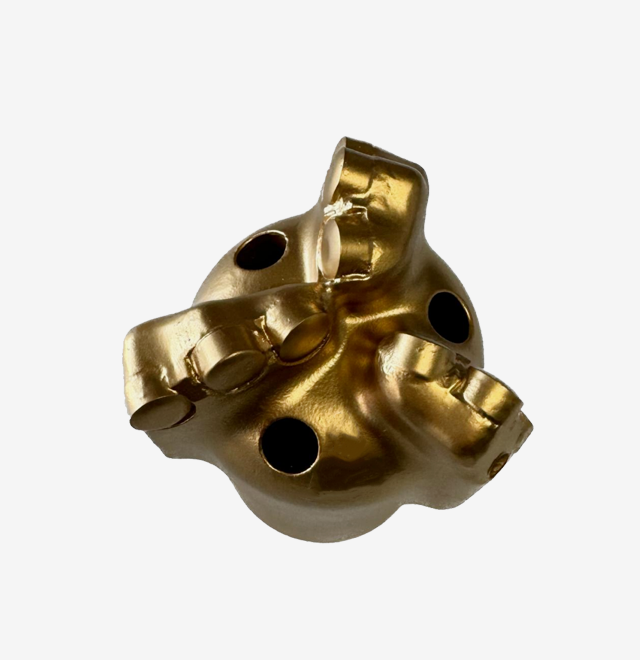
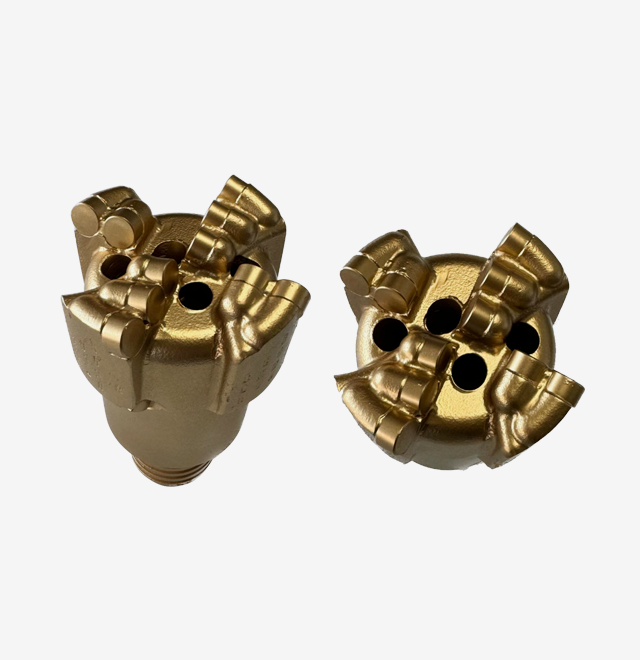
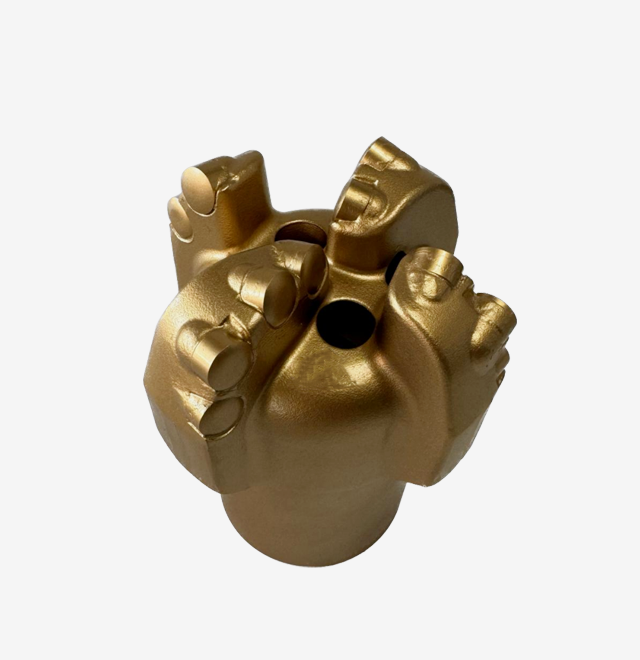
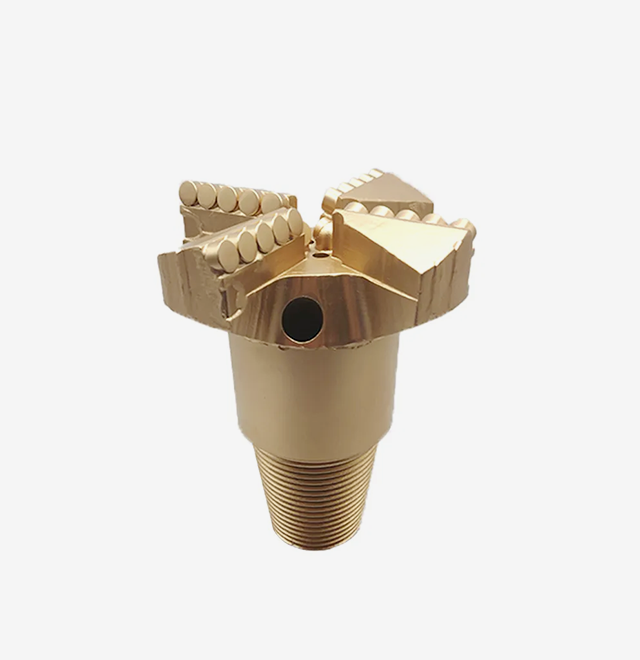
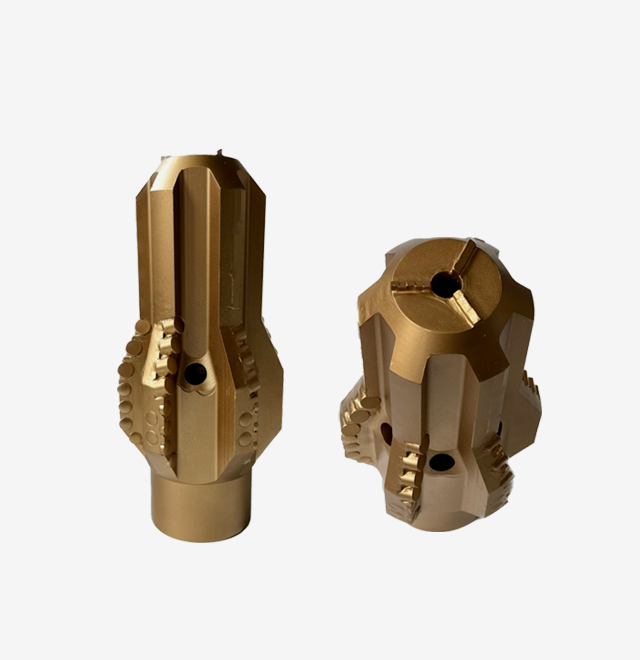
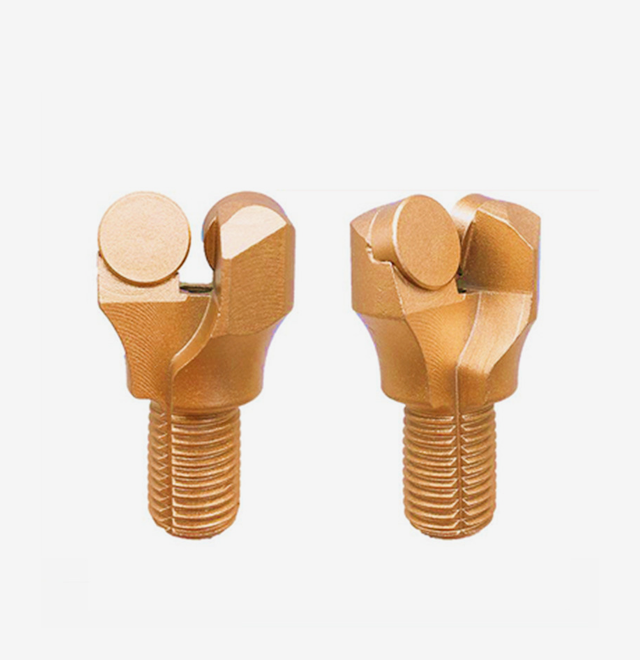
It is very important for drilling engineers and procurement managers to know the main differences between matrix body PDC bits and steel body diamond drill bits when they are looking at drill bit choices. A steel body diamond drill bit has a frame made of medium-carbon steel and polycrystalline diamond compact (PDC) cuts that are physically pressed into holes that have already been drilled. This gives the bit flexibility and the ability to absorb pressure in hard-to-predict rock formations. On the other hand, matrix body bits put PDC blades inside a tungsten carbide powder matrix that is made under very high temperatures and pressures. This gives them better wear protection in rough conditions. Both types are useful in different situations, and picking the right one will have a direct effect on your cost per meter, entry rate, and total drilling efficiency.
Understanding Matrix Body PDC Bits and Steel Body Diamond Drill Bits
What Are Matrix Body PDC Bits?
Matrix body bits use high temperatures and pressures to join tungsten carbide with fake diamond. This makes a hybrid structure that is very resistant to wear. The process of making the product bonds the PDC cuts straight into the matrix material. This keeps them in place even when there is a lot of shaking and pressure. This way of building works well for heavy-duty tasks like exploring coalfields, removing gas from deep coal mines, and draining mines where hard rock and gritty layers are mixed together. When we make things, we use big river patterns that help chips move quickly, which keeps things from getting clogged and keeps drilling performance steady. The new bits have service lives 10–30 times longer than regular tungsten carbide ones, which means they need to be replaced less often and with less downtime.
How Steel Body Diamond Drill Bits Work
Steel body diamond drill bits have a steel core that has been made, into which PDC cutters are manually inserted and held in place. Hardening processes, like tungsten carbide wear-resistant layers, are often put on the bit head to make it last longer. Even though they are easier to make than matrix bodies, steel bodies have clear benefits in some natural situations. They work especially well in softer rock types like shale and limestone, where their natural flexibility lets them handle hits from hard stringers or obstacles that come up out of nowhere. Because it absorbs shock, this feature keeps the bit from breaking when quickly changing rock types. The steel construction also lets makers use irregular blade patterns and anti-rotation features that speed up the drilling process without lowering the stability.
Key Material Properties That Drive Performance
Figuring out how materials react to stress helps you understand why each design works best in certain situations. Matrix bodies don't wear down easily when cut with rough tools, and their structure stays strong when they're heated up by friction. The tungsten carbide core spreads heat better than steel, so PDC cuts don't get damaged by heat when they're used for a long time. On the other hand, a steel body diamond drill bit is more flexible than matrix materials. When a Steel body diamond drill bit hits broken formations or unexpected voids, the body bends instead of breaking, which keeps the operation running smoothly. Crown surface treatments on steel bodies make certain areas harder, protecting high-wear zones while keeping the center flexible. These material properties have a direct effect on how long your tools last, how much maintenance they need, and ultimately how much you spend on operations.
Performance Comparison: Matrix Body PDC Bits vs Steel Body Diamond Drill Bits
Durability and Wear Resistance in Different Formations
Operational data from coalfield drilling projects shows that PDC coal drill bits made using matrix body methods are more than 50% more efficient at digging than traditional roller cone bits in soft to medium-hard rock layers. The matrix design keeps the cutter's exposure shape the same throughout the bit's life. This makes sure that the cutting action stays the same from the first entry to the last retirement. On the other hand, steel body bits wear out faster in very rough environments because the steel crown wears away faster than the core material. When drilling through limestone that is mixed with basalt rocks, however, steel body bits soak up the impact energy that would normally crack matrix bodies, which makes operating runs last longer between trips. To make sure that the bit design matches the natural truth, your formation study should show the levels of wear, changes in rock hardness, and surprising inclusion frequencies.
Penetration Rate and Drilling Efficiency
The different blade designs of these bit types have a big effect on the rate of penetration (ROP). Matrix body bits have blade shapes that are best for cutting continuously in flat forms while keeping strong attack angles that get the most footage per hour. Our matrix body PDC bits have a big waterway design that lets drilling fluid take pieces away from the bit face quickly. This keeps the bit face from having to be reground and lowers the power needed. When drilling, which makes a lot of chips, higher circulation rates are needed. Steel body designs often have bigger flow paths between the blades to accommodate these needs. Testing done in several mine operations has shown that steel body bits can achieve ROP benefits of 15–20% in broken rocks where matrix bits stall because of damaged cutters. By looking at the consistency and crack density of the target formation, you can choose the bit construction type that will give you the best entry rates during each drilling interval.
Heat Resistance and Temperature Stability
These building methods have very different thermal control skills. Matrix body bits get rid of frictional heat through the tungsten carbide structure. This keeps the PDC cutter temperatures within acceptable ranges even when heavy loads are applied to the bit. This thermal stability is very important for deep drilling, which takes place in places where geothermal slopes raise the temperature of the air. To make sure that matrix body bits stay within their thermal working ranges, our engineering team looks at the downhole temperature patterns and the ability of the circulation system. Even though Steel body diamond drill bit tools don't conduct heat as well, their smaller mass and bigger waterways allow more of the cooling fluid to come into contact with the bit body. The hardened cap layer protects against localized heat without depending only on the material's ability to conduct heat. For projects with long drilling gaps in hot places, accurate thermal modeling is needed to keep PDC cutters from breaking down too soon, no matter what kind of body design is used.
Practical Applications and Suitability
Mining and Coalfield Exploration Applications
Underground coal mines need gas-draining boreholes and pumping wells to work reliably, even though the formations can be very different from one well to the next. Matrix body PDC bits work great in these situations because they don't wear down easily and keep the hole width the same over long drilling intervals. This makes sure that the casing is installed correctly and that there is enough flow capacity. For the coalfield research projects we run, we use bits that are made to drill quickly through soft to medium-hard rock formations. These bits have blade shapes that keep the bits from balling up in areas with a lot of mud. These bits last 10–30 times longer than regular tungsten carbide bits, which is good for gas removal operations because it means bits don't have to be changed as often in dangerous underground settings. Our PDC coal drill bits are cost-effective because they reduce the number of tools needed and increase the amount of footage per bit. They are used in dewatering applications where constant operation keeps production from stopping.
Oil and Gas Drilling Considerations
Steel body diamond drill bits are used in oil and gas research where different types of rock formations need flexible tools. When drilling vertical wells through limestone and shale layers, the steel body can handle hits from chert crystals or carbonate stringers without breaking completely. Because steel is naturally flexible, these bits can follow the path of the shaft without causing too much shaking that hurts downhole equipment. When digging directional wells, especially in rocks where changes in hardness are hard to predict, steel body bits protect against bit loss during expensive directional drilling operations. Our scientific team looks at the rig's specs, like how much power it has and how much weight it can hold, to make sure that the bit suggestions match the capabilities of the equipment. Whether a matrix or steel body design is best for drilling in certain well types depends on the relationship between rig power and bit aggression.
Infrastructure and Tunnel Engineering Requirements
When building infrastructure like tunnels, highway foundations, or railway cores, each project has its own unique challenges that affect the choice of bit. In hard rock formations like granite or basalt, you need matrix body bits that can keep their cutting structure intact even when they are under a lot of mechanical stress. The tunnel engineering projects we've helped with show that choosing the right bits can cut down on project timelines by keeping entry rates steady enough to keep up with building plans. On the other hand, mixed formations with layers of dirt and worn rock, like Steel body diamond drill bit designs, can react to different drilling situations without having to change the bit. Regularly checking the state of the PDC cutter and making sure there are no obstructions in the waterway are examples of good maintenance practices that can increase the life of any tool, no matter what kind of body it has. We provide detailed repair plans that are tailored to your specific working environment, so field teams can maximize tool value by monitoring wear and selecting optimal operating parameters.
Procurement Considerations for B2B Clients
Cost Analysis and Total Ownership Economics
A good buying plan looks at the cost per meter drilled instead of just the price of the original purchase. It costs more to buy matrix body PDC bits at first, but they last a lot longer, especially in rough settings where steel body bits wear out quickly. To figure out the total cost of ownership, you need to keep track of the amount of footage you get, how often the bit trips, how fast the rig works during bit changes, and any problems that might happen in the shaft because of worn tools. Steel body bits are cheaper to buy at first and work well in situations where building properties keep matrix bits from lasting as long as they could. As part of our buying guidance process, we look at formations, working parameters, and past performance data to make sure that our projections of area goals for each bit type are reasonable. This way of thinking about things allows for accurate cost models, which helps people decide which options will give them the best value over the whole digging project instead of just one buy.
Customization Capability and Technical Support
Each drilling project has its own set of natural factors, rig requirements, and operating limitations that affect the best bit design. When we look at the rock type, hardness, brittleness, fracture distribution, and clay content at the drilling places you want to use, we can suggest bit designs that will work best with the problems that come up in that formation. Customized designs take into account things like the rig's rotation speed range, torque, hydraulic horsepower, and cooling system capacity. Our technical team keeps standard setups in stock so that normal goods can be delivered quickly (7–10 days on average). They also help with custom manufacturing based on customer models and specs for unique uses. Our tech team is always working on new products, and they use feedback from users to make sure that our bit designs keep up with what the industry needs. Technical support goes beyond the initial buy and includes fixing problems on-site, optimizing drilling parameters, and performance analysis that helps your team work as efficiently as possible throughout the project.
Quality Certification and Supplier Reliability
Following the rules set by ISO 9001 makes sure that the quality of the products made stays the same from one production run to the next. Our license shows that we are committed to following written processes, making improvements all the time, and keeping records, all of which are important factors that purchasing managers look for in providers for certain types of critical tools. Delivery reliability is also very important, because projects with tight deadlines can't afford to have problems with the supply chain that stop drilling activities. We work with foreign companies to offer door-to-door delivery service and keep extra goods on hand based on what customers need. This way, we can respond quickly to urgent needs. When your company evaluates a seller, it should look at more than just price and quality of the product. It should also look at how well the supplier handles shipping, technical help, and customization. Long-term relationships form when sellers consistently show they can solve problems in the field, deliver products on time, and offer expert advice that improves your operations in ways that go beyond just selling products.
Conclusion
Before you can choose between matrix body PDC bits and steel body diamond drill bits, you need to know how the changes in construction affect how well they work in different types of rock. When wear resistance and long service life are important for lowering total costs, matrix bodies are the best choice. This is especially true in coalfield research, gas draining, and mining, where the rock traits stay the same. Steel body bits are useful in diverse forms where hard pieces can appear out of nowhere and threaten the structure of the bit because they are flexible and can withstand impact. To find the best tooling solutions, good buying strategies look at the features of the formation, the capabilities of the rig, the cost per meter goals, and the technical support capabilities of the suppliers. Our logical approach to working with customers makes sure that the bits we suggest are the right ones for their needs. This leads to measurable changes in the speed of drilling and the costs of the project.
FAQ
What determines whether matrix or steel body construction suits my application better?
Formation abrasiveness is the most important factor in making a choice. Rock that is very rough and has quartz or other hard minerals in it, like matrix body bits that don't wear away. Formations with hard rocks that are mixed in with softer rock can benefit from steel bodies that are flexible and can take hits without breaking.
How do maintenance requirements differ between these bit types?
Both projects need to have monthly river inspections and assessments of the state of the PDC cutters. Matrix bits need to have their hydraulic parameters optimized because their hard structure can't make up for bad cooling. Crown wear needs to be tracked on steel bits because localized weathering can cause cuts to fail too soon if the protection layers wear through.
Can I achieve comparable service life from steel body bits in abrasive formations?
To get the same amount of footage, you have to accept lower entry rates that reduce wear. This means that you have to trade drilling speed for longer bit life. Most of the time, this method is more expensive than using matrix body bits made for rough conditions, which keep both long life and severe ROP.
Partner with Me We for Optimized Drilling Solutions
Me We is dedicated to more than just making high-performance steel body diamond drill bits and matrix body PDC bits. We also offer complete drilling solutions that are specifically designed to solve the problems your business is facing. We offer the dependability that B2B buying pros need with our ISO 9001 certification, standard production wait times of 7–10 days, and inventory management tools that can help with urgent project needs. Our scientific team looks at the rock types, rig details, and performance goals you have to come up with unique bit designs that will save you money per meter while still getting the job done quickly. Email us at elena@mine-tools.com to talk to our tech experts about your unique needs. Me We combines manufacturing expertise with responsive customer service to support the success of your project from the initial consultation through field performance optimization. This is true whether you need immediate access to tried-and-true steel body diamond drill bit manufacturer solutions or custom-engineered matrix body bits for difficult formations.
References
1. Mitchell, R.F. & Miska, S.Z. (2011). Fundamentals of Drilling Engineering. Society of Petroleum Engineers.
2. Bellin, F. & Doiron, H.H. (2009). "PDC Bit Technology for the 21st Century." Journal of Petroleum Technology, 61(10), 34-39.
3. Warren, T.M. & Smith, M.B. (1985). "Bottomhole Stress Factors Affecting Drilling Rate at Depth." Journal of Petroleum Technology, 37(8), 1523-1533.
4. Kerr, S.M. & Kellingray, D.S. (1990). "The Engineering of Matrix Body PDC Drill Bits." SPE Drilling Engineering, 5(4), 287-294.
5. Clayton, R.I. & Chen, S. (2006). "Diamond-Enhanced Drill Bits: Design Principles and Field Performance." International Journal of Rock Mechanics and Mining Sciences, 43(2), 268-280.
6. Ersoy, A. & Waller, M.D. (1995). "Wear Characteristics of PDC Pin and Hybrid Core Bits in Rock Drilling." Wear, 188(1-2), 150-165.

USER EVALUATE
Here is the customer's evaluation of us